
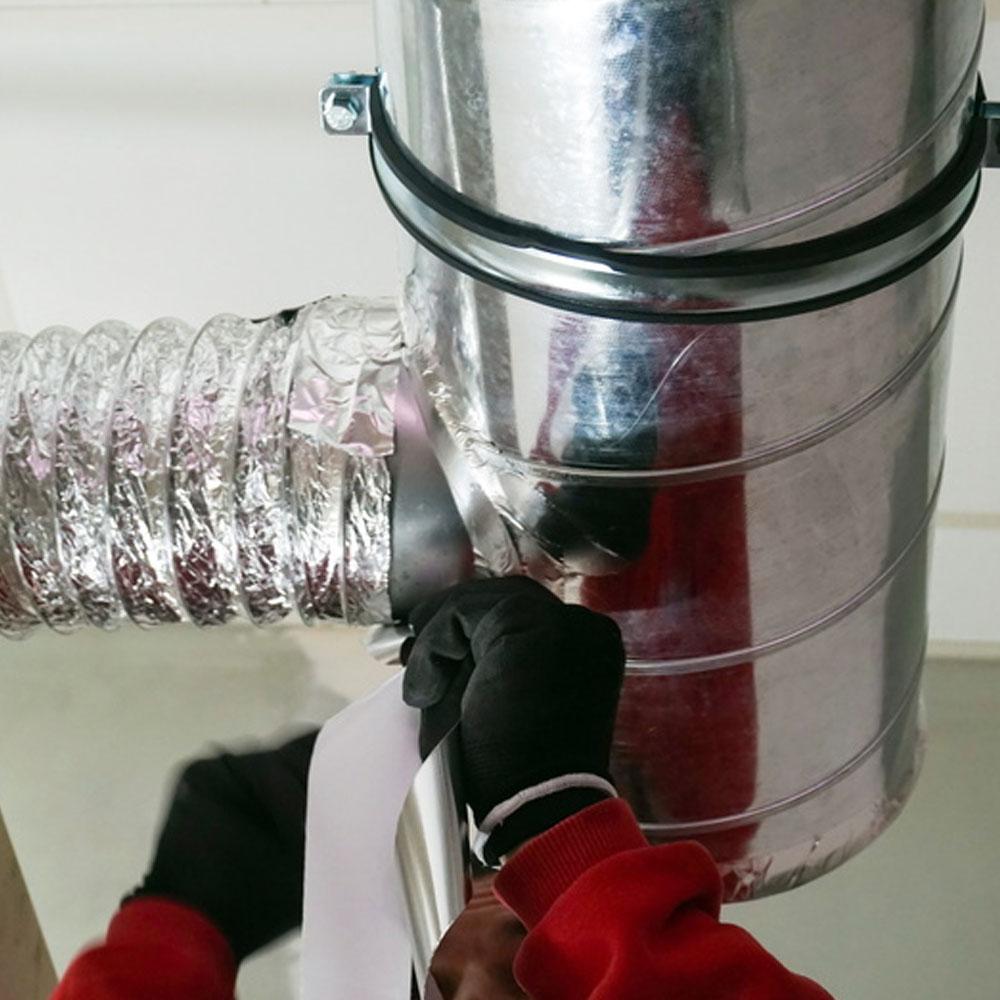
Duct systems are integral to the functionality of heating, ventilation, and air conditioning systems, ensuring air is effectively transported throughout a building. Over time, these systems may experience wear or damage due to factors such as age, environmental conditions, or improper installation. Addressing issues promptly is crucial for maintaining energy efficiency and ensuring a healthy indoor environment. Whether minor repairs or complete duct replacements are required, understanding the process can help preserve the overall performance and longevity of the system. Moreover, advancements in duct materials and design have contributed to improved efficiency and durability, enabling the achievement of better results with modern solutions. This exploration of duct maintenance and replacements aims to provide valuable insights into maintaining an effective duct system, focusing on the benefits of timely interventions and the factors to consider when deciding on repairs or replacements.
The Role of Ducts in Air Quality
Duct systems play a crucial role in maintaining a building's air quality by efficiently transporting air and ensuring proper ventilation. When ducts are clean and functioning correctly, they can help reduce the circulation of airborne pollutants, such as dust, allergens, and other contaminants. This is particularly important in maintaining a healthy indoor atmosphere, especially in spaces with limited natural ventilation.
However, when ducts are neglected, they can accumulate debris and moisture, which may lead to the growth of mould and bacteria, contributing to compromised air quality. Properly sealed and maintained ductwork also ensures that air reaches every corner of the building without loss or contamination.
By focusing on maintenance and addressing potential issues promptly, duct systems can significantly contribute to a cleaner and healthier indoor environment, ultimately benefiting occupants’ overall well-being.
Signs Your Ducts Need Attention
Indicators of potential duct system issues often include uneven temperature distribution within a building, which can suggest restricted airflow or blockages. An unexpected rise in energy consumption without a clear cause may point towards leaks or inefficiencies within the ductwork. Physical signs such as visible cracks, tears, or disconnected sections also warrant investigation, as these can significantly impact performance.
Additionally, the presence of excessive dust or a persistent musty odour could indicate the accumulation of debris or the growth of mould inside the ducts. Strange noises, such as rattling or whistling, might suggest loose connections or structural damage. Regularly observing these factors and seeking professional inspections when necessary can help identify concerns before they lead to more substantial complications.
Ensuring the system is in good condition supports optimal functionality and maintains a comfortable indoor environment.
Common Causes of Duct Damage
Duct damage can stem from multiple factors, each contributing to a decline in functionality over time. Structural wear is a natural consequence of ageing materials, often exacerbated by fluctuating temperatures that cause expansion and contraction. Improper installation practices, such as poorly sealed joints or inadequate support, can lead to early deterioration and inefficiencies.
Environmental factors, including exposure to extreme humidity or debris infiltration, may also compromise duct integrity. Pests, such as rodents or insects, can cause physical damage by chewing or nesting within the ductwork.
Additionally, vibration from HVAC systems can loosen connections, creating gaps or leaks that affect performance. Neglected maintenance, including the failure to address dust accumulation or minor cracks, can accelerate damage. Understanding these causes is instrumental in implementing preventive measures to preserve the efficiency and lifespan of the duct system.
Duct Repair Techniques
Repairing duct systems involves targeted techniques to address specific issues and restore optimal performance. One standard method is the application of mastic sealant or specialised tapes to seal leaks effectively, preventing air loss and enhancing efficiency. For sections with minor structural damage, reinforcements such as metal patches or the replacement of small segments may be necessary. Insulating ducts in unconditioned spaces is another approach that helps minimise energy loss by maintaining consistent airflow temperatures.
Aligning and securing loose connections ensures stability and reduces the risk of further damage caused by vibrations or pressure changes. Proper cleaning of interior surfaces can eliminate accumulated debris, improving airflow and air quality. By addressing individual problem areas with appropriate methods, the overall functionality of the duct system can be significantly improved, ensuring better energy efficiency and a more comfortable indoor environment.
When to Opt for Vent Replacements
Extensive wear or damage that compromises functionality often necessitates replacement of the ducts. In cases where repair is insufficient to restore performance, replacing the entire system becomes a practical solution. Duct systems constructed with outdated materials may fail to meet modern efficiency standards, contributing to higher energy consumption and poor air distribution. Inefficiencies caused by ageing designs can impact overall system performance, making replacement a viable option for long-term improvements.
Moreover, structural issues such as severe corrosion, multiple leaks, or collapsed sections can render repairs impractical. Replacements provide an opportunity to incorporate updated materials and designs that enhance airflow and durability. Ensuring compatibility with the existing heating, ventilation, and air conditioning systems is also essential during the replacement process.
Choosing the Right Materials for Duct Replacements
Selecting materials for duct replacements involves evaluating factors such as durability, efficiency, and installation requirements. Sheet metal ducts are known for their robust construction and ability to withstand wear over time, making them a durable choice. Fibreglass ducting offers superior insulation properties, helping to regulate temperature and minimise energy loss. Flexible ducting, while easier to install in complex layouts, is less durable and may require additional reinforcement.
Additionally, modern materials incorporating advanced insulation technologies can further enhance performance. Compatibility with existing systems and the specific demands of the building’s layout should guide the selection of materials. Selecting suitable materials tailored to individual circumstances ensures the longevity and efficiency of the duct system, thereby contributing to consistent air distribution and overall system functionality.
Cost Considerations for Repairs and Replacements
The financial aspect of vent repairs and replacements is influenced by factors such as the scope of the required work, the type of materials used, and the complexity of the installation. Larger issues or outdated systems may necessitate replacements, which often involve higher upfront costs but can deliver long-term benefits through improved performance and reduced energy expenses. Repairing isolated issues is less costly initially, but recurring problems could make this less economical over time.
Material quality also plays a significant role, as durable and efficient options may incur higher costs but reduce the need for frequent maintenance and repairs. Labour rates and local market conditions further impact overall expenditure, making careful planning essential to strike a balance between price and long-term value.
Professional vs. DIY Duct Repairs
Addressing duct repairs can vary in complexity, and deciding between professional services and do-it-yourself approaches is significant. Professionals bring specialised knowledge, tools, and experience, ensuring repairs are conducted to a high standard while adhering to safety guidelines. They are particularly beneficial for intricate issues, such as extensive leaks, damaged duct sections, or connections that require precise alignment.
Conversely, simpler tasks, such as sealing minor leaks or insulating accessible areas, might be manageable independently with the right materials and guidance. However, improperly executed DIY repairs could lead to further complications, potentially increasing costs in the long term. Weighing the severity of the issue against the required expertise is crucial in determining the most effective course of action for maintaining duct functionality.
Impact of Ductwork on Energy Efficiency
Duct systems significantly influence energy efficiency by ensuring the effective distribution of conditioned air throughout a building. Poorly sealed or damaged ducts can cause substantial energy losses, as conditioned air escapes before reaching its intended destination. This inefficiency forces heating or cooling systems to work harder, leading to increased energy consumption and higher utility costs. Insulated ductwork plays a crucial role in maintaining consistent airflow temperatures, particularly in unconditioned spaces such as attics or basements.
Advances in duct design, including optimised layouts and improved materials, have further enhanced energy performance. Regular inspections and prompt repairs can minimise leaks and inefficiencies, supporting a more sustainable operation while helping to manage energy use effectively across various settings.
Regular Maintenance for Longevity
Consistent upkeep of duct systems ensures their optimal functionality over time. Tasks such as inspecting connections, removing debris, and verifying proper insulation are fundamental to maintaining performance. Clearing blockages and addressing minor leaks promptly can prevent larger issues from developing. Scheduled cleaning helps reduce the accumulation of dust and allergens, contributing to a healthier indoor environment.
Ensuring that moving components, such as dampers, are operating correctly can further support efficient airflow. Investing in maintenance practices tailored to the specific system design and usage requirements can enhance the overall durability and efficiency of the ductwork, avoiding unnecessary disruptions to the system's operation.
Latest Innovations in Duct Systems
Recent developments in duct systems have introduced cutting-edge solutions designed to enhance efficiency and functionality. Advanced designs now incorporate lightweight yet durable materials, reducing installation complexities while improving overall performance. Smart technology integration, including sensors and automated controls, enables precise airflow adjustments, ensuring consistent temperature regulation.
Additionally, the adoption of environmentally sustainable materials and improved insulation techniques has contributed to energy conservation and a reduction in carbon emissions. Innovations like modular duct components also streamline maintenance and repairs, minimising downtime. These advancements reflect the ongoing evolution of duct systems, supporting enhanced operational efficiency and improved indoor air quality in various settings.
Conclusion: Maintaining Optimal Airflow with Duct Care
Effective duct maintenance, through timely repairs or replacements, is crucial for an HVAC system's energy efficiency and a healthy indoor environment. Identifying signs like uneven temperatures or rising energy bills indicates attention is needed. Minor issues can often be solved with techniques like mastic sealing, but extensive damage or outdated materials warrant a full replacement for long-term efficiency. By prioritising regular maintenance and considering modern materials like sheet metal or fibreglass, businesses and homeowners ensure consistent air quality and maximum system performance.
❓ Frequently Asked Questions
How do damaged ducts specifically lead to increased energy consumption?
Damaged ducts, typically through cracks or leaks, cause conditioned air (heated or cooled) to escape into unconditioned spaces like attics or basements before reaching the living area. This forces the HVAC system to run longer and work harder to meet the thermostat setting, directly leading to wasted energy and higher utility bills.
What are the definitive signs that the ductwork needs professional attention?
Definitive signs include a sudden, unexplained increase in energy bills, uneven temperature distribution (hot or cold spots) across the building, visible damage like major cracks or disconnections, and a persistent musty odour suggesting mould or accumulated debris inside the system.
When is it better to opt for a full duct replacement rather than just duct repairs?
Full replacement is recommended when the ductwork has extensive wear, multiple severe leaks, or structural collapse, making duct repairs impractical. It is also the better option when the system uses outdated materials or designs that fail to meet modern energy efficiency standards, offering significant long-term savings and performance improvement.
What role does insulation play in the efficiency of duct systems?
Insulation is crucial because it minimises thermal gain or loss as conditioned air passes through unconditioned spaces. By maintaining a consistent airflow temperature, insulated ductwork ensures that the air reaching the vents is closer to the temperature set by the HVAC unit, improving efficiency.
What are the pros and cons of using sheet metal versus flexible ducting for replacement?
Sheet metal ducts are highly durable, robust, and less prone to leaks, offering longevity. However, they can be more complex and costly to install. Flexible ducting is easier and quicker to install in complex layouts but is less durable and its ribbed interior can slightly restrict airflow, making it less efficient than smooth metal.
| Related Business Listings |

 Arabic
 French
 Spanish
 Portuguese
 Deutsch
 Turkish
 Dutch
Dutch
 Italiano
 Russian
 Romaian
 Portuguese (Brazil)
 Greek
Greek