
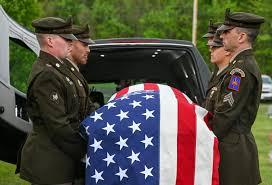
World War II was a global conflict that demanded courage in every environment imaginable. While soldiers fought across battlefields and airmen dominated the skies, another critical struggle unfolded on the open seas. Merchant ships carried the supplies that made victory possible, and standing between those ships and destruction were the men of the United States Navy Armed Guard. Today, wwii armed guard remembrance is about honoring those sailors whose service and sacrifice were vital yet often overlooked.
The Armed Guard was made up of Navy personnel assigned to merchant vessels to protect them from enemy threats. These sailors faced constant danger from submarines, aircraft, and surface raiders while serving on ships that were never built for combat. Their duty required unwavering vigilance, bravery, and a willingness to face the possibility of death far from home.
The Mission of the Armed Guard
The Armed Guard’s primary responsibility was to defend merchant ships carrying essential cargo such as food, fuel, ammunition, and troops. These cargoes were the lifeblood of the Allied war effort. Without them, armies could not advance, and victories could not be sustained.
Armed Guard sailors operated deck guns, anti-aircraft weapons, and machine guns under extreme conditions. Many engagements occurred suddenly, leaving little time to prepare. Enemy attacks could strike at dawn, in the dead of night, or during storms when visibility was limited. Despite this, Armed Guard crews remained at their stations, knowing that even a single successful defense could save lives and critical supplies.
Life at Sea During Wartime
Life aboard a merchant ship was physically demanding and mentally exhausting. Armed Guard sailors shared cramped living quarters with civilian merchant mariners, forming bonds forged by shared danger. Unlike naval warships, these vessels lacked armor and speed, making them especially vulnerable to attack.
Sailors endured long periods at sea, unpredictable weather, and constant stress. Sleep was often interrupted by alarms or the fear of submarines lurking below. Many Armed Guard veterans later recalled the haunting silence after an attack, broken only by the sounds of damaged ships or the cries of men in the water.
Sacrifice Beyond the Spotlight
Thousands of Armed Guard sailors were wounded or killed during the war. Many ships were torpedoed without warning, giving crews little chance to escape. Survivors often spent hours or days adrift in lifeboats, facing exposure, hunger, and uncertainty.
For those who did not survive, the sea became their final resting place. Unlike fallen soldiers buried in marked graves, many Armed Guard sailors were never recovered. Their families were left with unanswered questions and a profound sense of loss. WWII armed guard remembrance ensures that these men are not reduced to statistics, but remembered as individuals who answered the call of duty.
Recognition Long Delayed
After the war ended, many Armed Guard veterans returned home quietly. Their service was not always fully understood or recognized because they did not serve aboard traditional Navy warships. Some were even mistaken for civilian mariners, despite facing the same dangers as combat sailors.
It took decades for the full scope of the Armed Guard’s contributions to be acknowledged. Memorial efforts, historical research, and family advocacy have played a vital role in restoring their place in history. Remembering them today helps correct that long-standing oversight.
Preserving Names and Stories
Remembrance is about more than honoring the past it is about preserving history for the future. Every Armed Guard sailor had a personal story: a hometown left behind, loved ones waiting, dreams interrupted by war. Recording names, ships served on, and circumstances of loss keeps those stories alive.
Family members who search for information about their relatives often discover a deeper understanding of the sacrifices made. These discoveries foster pride and connection across generations, strengthening the legacy of service that defines the Armed Guard.
Why Remembrance Still Matters
As the years pass, fewer World War II veterans remain to tell their stories firsthand. Without active remembrance, the experiences of Armed Guard sailors risk fading into obscurity. WWII armed guard remembrance serves as a bridge between generations, ensuring that the lessons of courage, sacrifice, and unity are not lost.
Remembering these sailors also deepens our understanding of how victory was achieved. Wars are not won by frontline combat alone; they are sustained by logistics, supply routes, and the people who protect them. The Armed Guard stood watch over those lifelines, often at great personal cost.
A Lasting Legacy of Service
The legacy of the Armed Guard is one of quiet heroism. These sailors did not seek glory or recognition. They served because they were needed, and they stood their posts even when escape seemed impossible. Their courage saved ships, cargo, and countless lives.
Honoring their service today reflects a broader commitment to remembering all who served, especially those whose contributions were once overlooked. It is a reminder that freedom is built on sacrifice, often made far from public view.
Conclusion
The men of the United States Navy Armed Guard played an essential role in securing victory during World War II. They faced relentless danger on vulnerable ships, protecting the supplies that sustained the Allied war effort. Through continued wwii armed guard remembrance, we ensure that their bravery, sacrifice, and dedication are never forgotten.
Their stories deserve to be told, their names deserve to be remembered, and their service deserves lasting honor. Remembering them is not only an act of respect it is a duty owed to those who stood watch on the world’s most dangerous seas.

 Arabic
 French
 Spanish
 Portuguese
 Deutsch
 Turkish
 Dutch
Dutch
 Italiano
 Russian
 Romaian
 Portuguese (Brazil)
 Greek
Greek