
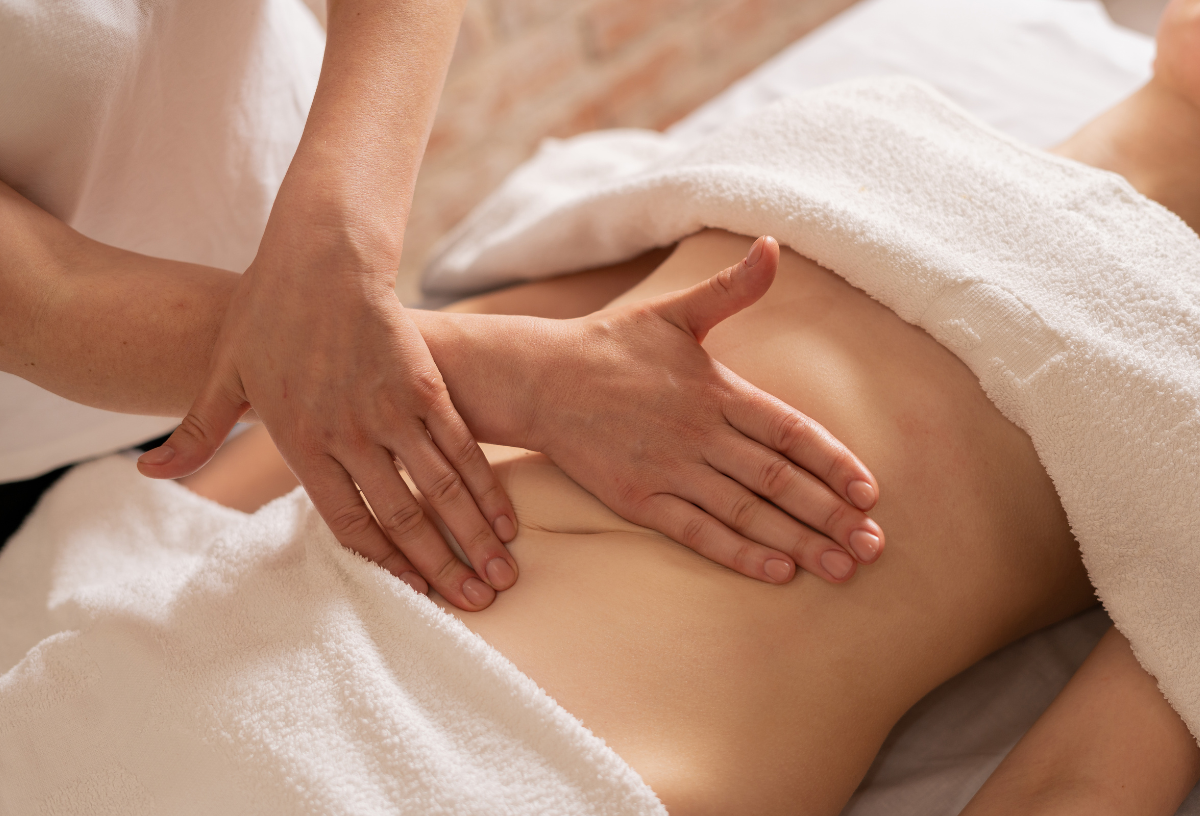
In today’s wellness-focused world, many people are searching for natural ways to support detoxification and maintain a healthy weight. One increasingly popular approach is Lymphatic Massage, a gentle technique designed to stimulate the lymphatic system and encourage fluid movement throughout the body. By supporting circulation and helping reduce fluid retention, this therapy can complement a balanced lifestyle aimed at detox and weight management. Understanding how it works and what it can realistically achieve is key to maximizing its benefits.
Understanding the Lymphatic System and Detoxification:
The lymphatic system is a complex network of vessels and nodes responsible for transporting lymph fluid, which contains white blood cells, proteins, and waste products. Unlike the circulatory system, it does not have a central pump, meaning it relies on movement and muscle contractions to function efficiently. When lymph flow slows due to inactivity, stress, or poor hydration, fluid can accumulate in tissues. Supporting lymph movement may help the body:
-
Remove excess interstitial fluid
-
Transport cellular waste toward elimination pathways
-
Maintain immune balance
-
Reduce temporary swelling and puffiness
While the liver and kidneys handle primary detoxification, efficient lymphatic circulation plays an important supportive role in overall cleansing processes.
How Lymphatic Massage Supports Detox Naturally:
Lymphatic massage uses light, rhythmic strokes that follow the direction of lymph flow just beneath the skin. This gentle approach stimulates surface lymph vessels without applying deep pressure. By encouraging fluid movement, the therapy may help reduce congestion within tissues and promote efficient drainage. Potential detox-supporting effects include:
-
Improved fluid circulation throughout the body
-
Assistance in clearing metabolic waste
-
Reduction in mild water retention
-
Support for immune system function
It is important to note that this method enhances natural processes rather than acting as a quick-fix cleanse.
The Connection Between Fluid Retention and Weight Fluctuation:
Many people experience short-term weight fluctuations caused by fluid retention rather than fat gain. Hormonal changes, high sodium intake, prolonged sitting, and stress can all contribute to temporary swelling. By promoting proper lymph flow, this therapy may help reduce excess fluid buildup. Individuals often report:
-
A lighter, less bloated feeling
-
Reduced puffiness in the face and limbs
-
Improved comfort in clothing
-
More consistent body measurements
These changes are typically related to fluid balance, not direct fat loss, which helps set realistic expectations.
Can It Help With Weight Management Goals:
While lymphatic massage is not a replacement for exercise or healthy eating, it can complement a structured weight management plan. Improved circulation and reduced swelling may enhance mobility and comfort, making it easier to stay active. Additionally, by supporting recovery after workouts, it may encourage consistency in physical routines. When integrated into a broader wellness strategy, it can:
-
Promote faster post-exercise recovery
-
Reduce inflammation linked to intense workouts
-
Support relaxation and stress management
-
Encourage better body awareness
Weight management is multifaceted, and this therapy works best as part of a comprehensive approach.
Additional Health Benefits Beyond Detox:
Beyond detox and weight management, lymphatic stimulation offers several whole-body advantages. Because it encourages fluid balance and circulation, it can positively influence various aspects of well-being. Benefits may include:
-
Enhanced immune system support
-
Reduced mild swelling in extremities
-
Improved skin appearance due to better circulation
-
Greater overall relaxation
These broader benefits make it a versatile addition to many wellness routines.
What to Expect During a Session:
Understanding what happens during a session can help ease uncertainty. Unlike deep tissue massage, this technique involves light, repetitive movements that gently stretch the skin in specific directions. Sessions are typically calm and methodical, focusing on key lymph node areas such as the neck, underarms, and behind the knees. Clients often experience:
-
A deeply relaxing sensation
-
Minimal discomfort
-
Temporary increase in urination as fluid shifts
-
A subtle feeling of lightness afterward
Hydration before and after sessions is commonly recommended to support fluid balance.
At-Home Practices to Enhance Results:
Professional sessions can be complemented with simple lifestyle habits that support lymph flow. Incorporating daily practices can help maintain results between appointments. Consider adding:
-
Regular low-impact movement such as walking or yoga
-
Deep diaphragmatic breathing exercises
-
Adequate water intake throughout the day
-
Reduced consumption of high-sodium processed foods
Consistency in these habits enhances the effectiveness of lymphatic massage and supports sustainable wellness goals.
Setting Realistic Expectations for Long-Term Success:
It is essential to approach detox and weight management with balanced expectations. While some people notice immediate reductions in puffiness, long-term changes require ongoing effort and healthy lifestyle choices. The therapy does not directly burn fat or replace calorie balance principles. Instead, it supports the body’s natural systems, helping create an environment conducive to wellness. Sustainable results depend on:
-
Consistent physical activity
-
Nutrient-dense dietary choices
-
Stress management strategies
-
Regular self-care routines
Viewing it as a supportive tool rather than a standalone solution ensures a healthier mindset.
Final Thoughts:
Lymphatic massage offers a gentle, natural way to support detoxification and weight management by stimulating fluid movement and enhancing circulation. While it does not directly cause fat loss, its ability to reduce fluid retention, improve recovery, and encourage relaxation makes it a valuable complement to a balanced lifestyle. When combined with healthy nutrition, regular exercise, and proper hydration, this therapy can help you feel lighter, more energized, and better aligned with your wellness goals. By maintaining realistic expectations and practicing consistency, you can integrate this approach into a sustainable strategy for long-term health and vitality.

 Arabic
 French
 Spanish
 Portuguese
 Deutsch
 Turkish
 Dutch
Dutch
 Italiano
 Russian
 Romaian
 Portuguese (Brazil)
 Greek
Greek