
Comprehensive Guide: SEMrush for Backlink Monitoring and Authority Insights
In the competitive world of SEO, backlinks remain one of the most influential ranking factors. However, it’s not just about acquiring links; monitoring them and understanding their impact on your site’s authority is equally critical. Over the years, I’ve learned that a proactive approach to backlink monitoring can prevent penalties, strengthen your domain authority, and ensure sustainable search visibility. SEMrush provides marketers with a robust suite of tools to manage, analyze, and monitor backlinks effectively. In this guide, I will walk you through a step-by-step process for monitoring backlinks and authority using SEMrush, incorporating strategies that I’ve personally applied to achieve measurable results.
Understanding Backlinks and Authority
Before diving into SEMrush, it’s important to grasp why backlinks matter. Backlinks are essentially endorsements from other websites. Search engines treat them as votes of confidence, indicating that your content is credible and valuable. However, not all backlinks are equal. High-quality links from authoritative domains carry far more weight than low-quality or spammy links. Domain authority, a metric that estimates a website’s credibility, is influenced by these links. Regular monitoring ensures your backlink profile remains strong and your domain authority improves over time.
Step 1: Setting Up Your SEMrush Backlink Audit
The first step in monitoring backlinks is setting up a Backlink Audit in SEMrush. Navigate to the Backlink Audit tool and enter your domain. SEMrush will crawl your backlink profile and generate an initial report, highlighting the total number of backlinks, referring domains, and toxic links. This step is crucial because it provides a snapshot of your current backlink health and establishes a baseline for monitoring future changes.
One personal tip I follow is to schedule automated audits weekly. This ensures that any new backlinks, lost links, or potentially harmful links are detected promptly, allowing me to take immediate action.
Step 2: Analyzing Backlink Quality
Once the audit is complete, SEMrush categorizes backlinks based on quality, toxicity, and authority metrics. The Authority Score evaluates each referring domain, combining data on backlinks, organic search traffic, and domain age. High Authority Score links are more valuable and can significantly impact your rankings.
I always prioritize building relationships with domains that have high authority. SEMrush allows you to filter backlinks by authority, which makes it easier to focus outreach or guest posting efforts on the most impactful sources. Additionally, reviewing anchor text distribution is critical. Natural and relevant anchor text improves credibility, while over-optimized or spammy anchors can trigger penalties.
Step 3: Monitoring New and Lost Backlinks
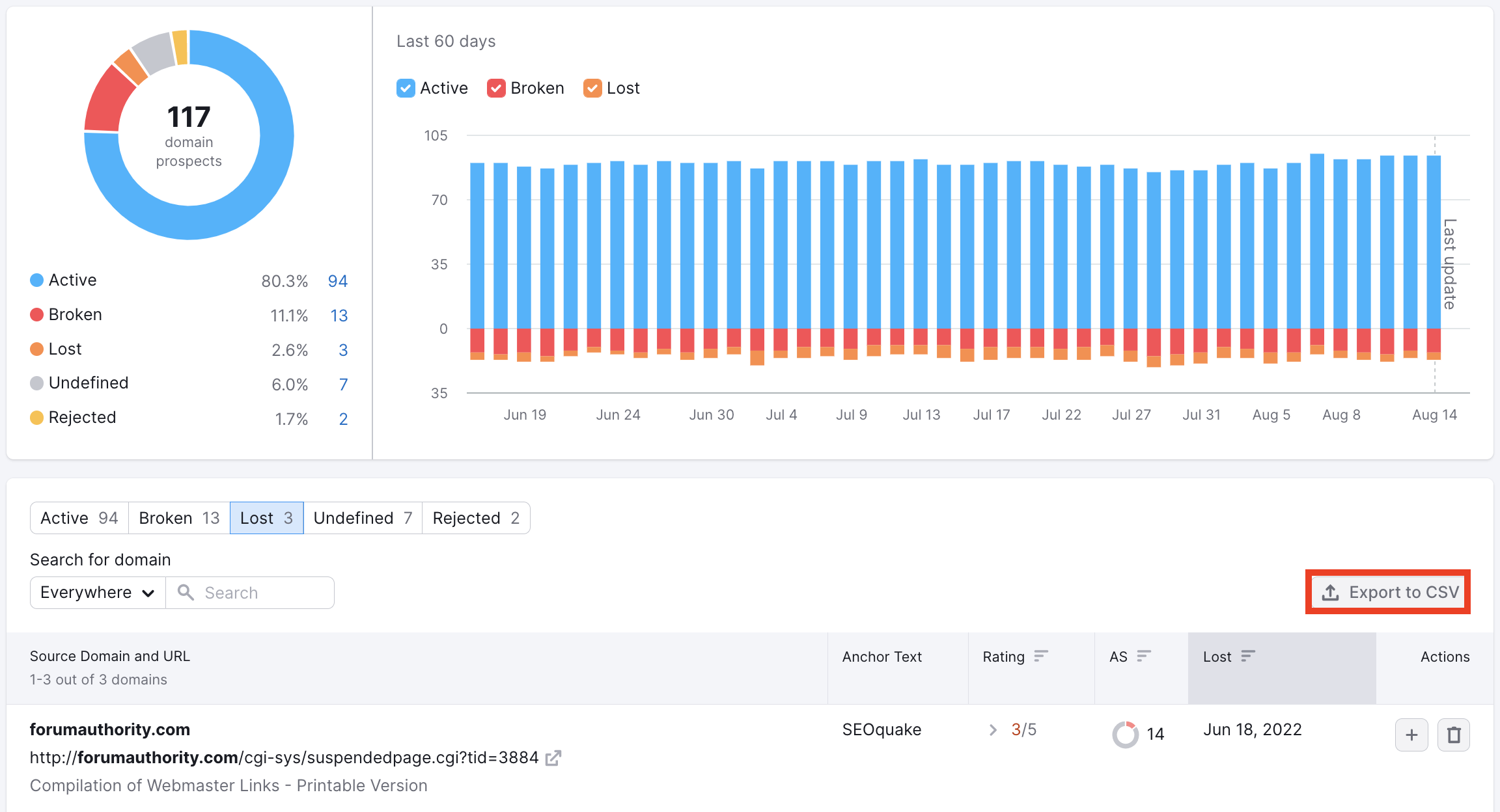
SEMrush provides real-time tracking of new and lost backlinks. This feature is essential because it allows you to respond to link loss immediately. Losing high-quality backlinks can negatively affect your search rankings, and identifying the cause quickly—whether it’s a removed page, broken link, or competitor activity—enables timely recovery strategies.
I recommend exporting this data regularly to maintain a historical record. Over time, it’s easier to spot trends and understand which types of content attract long-term backlinks versus those that are more transient.
Step 4: Identifying Toxic Backlinks
Not all backlinks benefit your website. Toxic backlinks, often from spammy or low-quality domains, can harm your authority and trigger search engine penalties. SEMrush uses a Toxic Score to flag potentially harmful links. The tool provides recommendations for disavowing these links using Google’s Disavow Tool.
In my experience, regularly reviewing toxic backlinks is non-negotiable. Ignoring them can result in significant drops in organic traffic. SEMrush’s toxicity report also highlights specific link patterns and anchor text that could be problematic, making it easier to maintain a clean backlink profile.
Step 5: Benchmarking Your Domain Authority
SEMrush’s Domain Overview tool allows you to monitor your Authority Score over time. This score reflects the overall strength of your backlink profile and its influence on search rankings. By benchmarking your score against competitors, you can assess how your backlink strategy stacks up in your industry.
I personally track both absolute Authority Scores and relative changes. Even small incremental improvements indicate that your content and link-building strategies are effective. Conversely, sudden drops may signal link loss or negative SEO attacks, prompting immediate investigation.
Step 6: Tracking Competitor Backlinks
Monitoring competitors is as important as monitoring your own backlinks. SEMrush enables you to analyze competitor backlink profiles, uncovering link sources, anchor text strategies, and content that attracts high-quality links. This competitive intelligence allows you to replicate successful strategies while identifying gaps in your own approach.
I recommend creating a competitor backlink watchlist. SEMrush can alert you when competitors acquire high-authority links, giving you an opportunity to reach out to similar sources or produce comparable content. This proactive approach ensures that you remain competitive in search rankings.
Step 7: Reporting and Actionable Insights
Data is only valuable if you act on it. SEMrush allows you to generate detailed backlink reports, including metrics on new, lost, and toxic backlinks, authority scores, and anchor text distribution. Regular reporting ensures that stakeholders understand the effectiveness of your SEO efforts and that you can take actionable steps to strengthen your backlink profile.
In my workflow, I schedule detailed monthly reports that summarize key findings, highlight emerging opportunities, and clearly outline next steps, a structured approach commonly observed among Top SEO Companies in USA that has helped me maintain a consistent, data-driven, and effective backlink strategy over time.
Step 8: Integrating Backlink Insights Into Broader SEO Strategies
Backlink monitoring should not be an isolated activity. Insights gained from SEMrush should inform content creation, outreach, and overall SEO strategy. For example, understanding which content attracts high-authority backlinks can guide your editorial calendar. Similarly, identifying gaps in competitor backlinks can inspire new content topics or partnership opportunities.
By integrating backlink data into broader marketing initiatives, you ensure that every effort contributes to measurable growth. I’ve found that combining backlink monitoring with keyword research and on-page SEO optimization results in a more cohesive and successful digital strategy.
Conclusion
Monitoring backlinks and authority is an ongoing process, and SEMrush makes it manageable, comprehensive, and actionable. By following the step-by-step approach outlined above, marketers can maintain a strong backlink profile, enhance domain authority, and protect their website from potential SEO risks. Personally, leveraging SEMrush for backlink monitoring has not only improved my site’s performance but also strengthened my overall digital marketing strategy.
FAQs
How do I start a backlink audit in SEMrush?
Use the Backlink Audit tool, enter your domain, and run a crawl. SEMrush will generate a detailed report highlighting total backlinks, referring domains, and potential toxic links.
What defines a high-quality backlink?
High-quality backlinks come from authoritative domains, have relevant anchor text, and drive organic traffic. SEMrush’s Authority Score helps you identify these links.
How can I track new backlinks effectively?
SEMrush monitors new backlinks in real time. Regularly checking the “New” tab ensures you can respond quickly to valuable links and integrate them into your strategy.
How do I identify lost backlinks?
The “Lost” backlinks report in SEMrush shows links that have been removed. Export this data to investigate causes and implement recovery strategies.
What are toxic backlinks and why are they harmful?
Toxic backlinks come from low-quality, spammy, or irrelevant sites. They can reduce authority and hurt SEO performance. SEMrush flags them for review or disavowal.
How can competitor backlink analysis help me?
Analyzing competitors’ backlinks reveals which domains, content, and anchor texts drive their rankings. This insight helps uncover opportunities and gaps for your own SEO strategy.
How do I monitor my domain authority in SEMrush?
Use the Domain Overview tool to track your Authority Score over time. Monitoring changes helps assess SEO performance and detect potential negative impacts from lost or toxic backlinks.
How can I integrate backlink insights into my SEO strategy?
Use insights to guide content creation, outreach, and keyword targeting. Focus on replicating high-value link sources and filling content gaps to strengthen overall SEO performance.

 Arabic
 French
 Spanish
 Portuguese
 Deutsch
 Turkish
 Dutch
Dutch
 Italiano
 Russian
 Romaian
 Portuguese (Brazil)
 Greek
Greek