
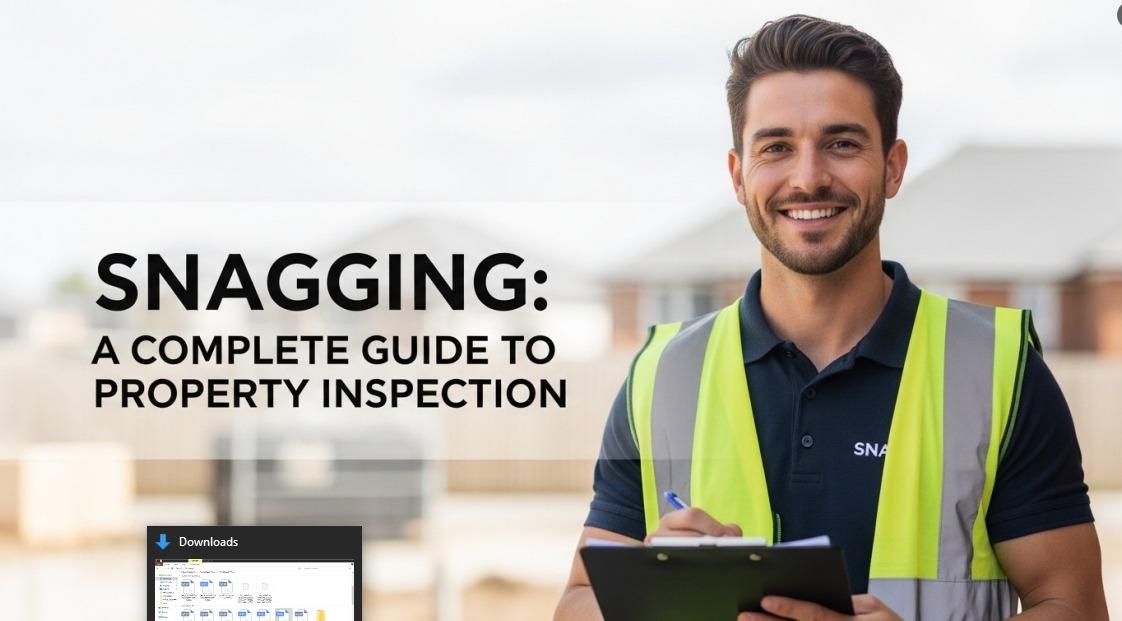
Property snagging is a crucial step for anyone purchasing a newly built or recently renovated property. It ensures that the property meets quality standards and is free from defects before you fully take ownership. While a home or commercial space may appear perfect at first glance, hidden issues can exist in construction, finishing, or installations. Property snagging helps uncover these problems early so they can be corrected without hassle.
In modern construction environments, projects are often completed under tight deadlines. This can sometimes lead to overlooked details or incomplete work. A proper snagging inspection ensures that every aspect of the property is carefully reviewed, giving buyers peace of mind and confidence in their investment.
What Is Property Snagging
Property snagging is a detailed inspection process carried out to identify defects, poor workmanship, and unfinished areas within a property. It is typically conducted before the final handover from the developer to the buyer, but it can also be done after possession.
During the inspection, professionals carefully examine all accessible parts of the property. They create a snagging report that lists each issue along with recommendations for correction. This report is then shared with the developer, who is responsible for fixing the identified defects.
Why Property Snagging Is Important
Property snagging is important because it protects your investment. Purchasing a property is a major financial commitment, and even small defects can lead to costly repairs if ignored.
It also ensures quality. Snagging confirms that the property meets the standards promised by the developer and that all work has been completed properly.
Another key benefit is convenience. Fixing issues before moving in is much easier than dealing with repairs later. Property snagging allows you to start your new journey without stress or disruption.
Additionally, snagging improves transparency. It provides a clear understanding of the property’s condition and helps prevent disputes between buyers and developers.
What Does Property Snagging Cover
Property snagging covers a wide range of areas within a building. Inspectors check walls, ceilings, and floors for cracks, uneven surfaces, or paint defects. Doors and windows are examined to ensure proper alignment and smooth operation.
Electrical systems are tested to confirm that switches, sockets, and lighting are functioning correctly. Plumbing systems are inspected for leaks, water flow issues, and proper installation.
Inspectors also review fixtures and fittings such as cabinets, tiles, and sanitary installations. The overall finishing quality is assessed to ensure that the property meets expectations.
Types of Property Snagging Inspections
Pre Handover Snagging
This inspection is carried out before the property is officially handed over. It ensures that all defects are identified and corrected by the developer.
Post Handover Snagging
Some issues may only become visible after moving in. Post handover snagging helps identify these problems so they can be resolved within the warranty period.
Follow Up Snagging
After repairs are completed, a follow up inspection ensures that all issues have been properly fixed and no defects remain.
Benefits of Property Snagging
Property snagging offers several valuable benefits. One of the most important is early detection of defects. Identifying problems before handover helps save time and money.
Another benefit is improved quality assurance. Snagging ensures that the property meets expected standards and delivers the value promised.
It also strengthens your position as a buyer. A detailed snagging report provides clear evidence when requesting repairs.
In addition, snagging brings peace of mind. Knowing that your property has been thoroughly inspected allows you to move forward with confidence.
What to Expect During a Snagging Inspection
During a snagging inspection, professionals carefully examine every accessible area of the property. They look for both visible defects and hidden issues that may affect quality or functionality.
The process includes checking structural elements, electrical systems, plumbing, and finishing details. Inspectors may use specialized tools to detect issues that are not easily visible.
After the inspection, a detailed snagging report is prepared. This report outlines all findings and provides recommendations for necessary corrections.
How to Choose the Right Property Snagging Service
Choosing the right snagging service is essential for accurate results. Look for professionals with experience in inspecting newly built properties.
Ensure that the service provider uses modern tools and follows a thorough inspection process. A reliable company should provide a clear and easy to understand report.
Customer feedback can help you assess the quality of service. Choose a provider known for professionalism, transparency, and attention to detail.
Common Issues Found During Property Snagging
Property snagging inspections often reveal various issues. Common problems include uneven paint, cracks in walls, poorly fitted doors, and loose fixtures.
Plumbing issues such as leaks or inconsistent water flow are also frequently identified. Electrical faults, including non functioning switches or poor wiring, may be discovered.
In some cases, more serious defects such as structural problems or improper installations can be found. Addressing these issues early is essential for long term safety and comfort.
Property Snagging and Long Term Value
Property snagging plays an important role in maintaining long term value. A well inspected and defect free property is more attractive to buyers and tenants.
For investors, snagging ensures that the property delivers expected returns and reduces the risk of future repair costs.
By ensuring quality and resolving issues early, property snagging contributes to long term satisfaction and financial stability.
FAQs
What is property snagging
Property snagging is the process of inspecting a property to identify defects, unfinished work, and quality issues.
Why is property snagging important
It helps ensure quality, protect your investment, and fix problems before they become serious.
When should property snagging be done
It is usually done before handover and sometimes after moving in to identify additional issues.
What does a snagging report include
It includes a detailed list of defects along with recommendations for repairs.
Is property snagging necessary for new properties
Yes, even new properties can have defects that need to be identified and corrected.
Conclusion
Property snagging is an essential step in the property buying process. It ensures that your new home or investment meets quality standards and is free from defects.
By carrying out a thorough snagging inspection, you can avoid unexpected problems, protect your investment, and enjoy a smooth transition into your new property. In today’s competitive real estate environment, property snagging is a smart and necessary decision for long term safety, value, and peace of mind.

 Arabic
 French
 Spanish
 Portuguese
 Deutsch
 Turkish
 Dutch
Dutch
 Italiano
 Russian
 Romaian
 Portuguese (Brazil)
 Greek
Greek