
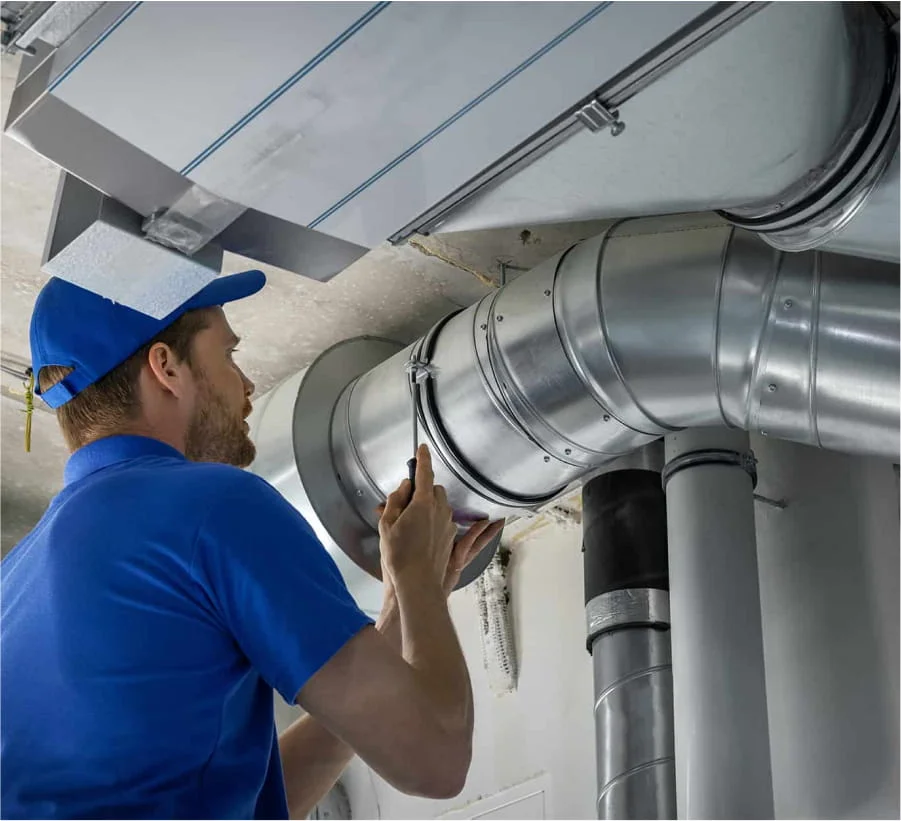
Maintaining an efficient heating, ventilation, and air conditioning (HVAC) system is critical to ensuring comfort and air quality in your home. One of the key components of an HVAC system is the ductwork. Over time, ducts can deteriorate, leak, or become inefficient, necessitating duct system replacements. In this guide, we’ll explore everything you need to know about replacing your duct system, from signs of damage to costs, materials, and benefits.
Understanding Duct Systems
Ducts are channels that distribute heated or cooled air from your HVAC system throughout your home. A properly designed and maintained duct system ensures that air circulates efficiently, helping your system work at peak performance. There are two primary types of duct systems:
-
Flexible Ducts: Made of a spring steel wire coil covered with flexible plastic or metalized foil. They are easy to install but can sag or tear over time.
-
Rigid Ducts: Typically made of sheet metal, these ducts are more durable and efficient but require professional installation.
Duct systems also include components such as dampers, registers, and plenum boxes, all of which play a role in controlling airflow and maintaining indoor air quality.
Signs You Need Duct System Replacements
Knowing when to replace your ducts is essential. Common signs include:
-
Uneven Heating or Cooling: Some rooms are too hot or too cold, indicating airflow problems.
-
Increased Energy Bills: Leaky or poorly insulated ducts force your HVAC system to work harder.
-
Visible Damage: Holes, cracks, or sagging ducts are signs of wear and tear.
-
Excessive Dust: Broken or disconnected ducts can introduce dust and debris into your home.
-
Strange Odors: Mold, mildew, or rodent infestations inside ducts can create persistent odors.
If you notice any of these issues, it’s time to consider a professional assessment for duct system replacements.
Benefits of Replacing Your Duct System
Replacing your ducts offers several advantages:
1. Improved Energy Efficiency
Old or leaking ducts can reduce HVAC efficiency by up to 30%. New ductwork ensures air flows properly, which lowers energy consumption and reduces utility bills.
2. Enhanced Indoor Air Quality
New ducts reduce the accumulation of dust, mold, and allergens, providing cleaner air for you and your family.
3. Balanced Temperature Distribution
Well-designed duct systems distribute air evenly, eliminating hot and cold spots and improving overall comfort.
4. Increased HVAC Lifespan
Efficient ductwork reduces strain on your heating and cooling system, potentially extending its operational life.
5. Noise Reduction
Modern duct systems often include better insulation and design, reducing the noise associated with air movement.
Duct System Replacement Process
A proper duct system replacement involves several steps, typically handled by licensed HVAC professionals:
Step 1: Inspection and Assessment
Technicians will assess the existing duct system, looking for leaks, blockages, and structural issues. They may use tools like smoke pencils, duct cameras, or airflow meters to diagnose problems.
Step 2: System Design
If replacement is necessary, a new system is designed to match the home’s layout, HVAC capacity, and air distribution needs. Engineers consider factors like room size, insulation, and HVAC unit capacity.
Step 3: Removal of Old Ducts
The old ducts are carefully removed to minimize debris and avoid damage to walls and ceilings. This step can be messy but is essential for a thorough replacement.
Step 4: Installation of New Ducts
New ducts are installed according to the design plan. Professionals ensure airtight connections, proper insulation, and correct airflow direction. Rigid or flexible ducts are chosen based on the home’s needs.
Step 5: Testing and Balancing
After installation, the system is tested for leaks, airflow consistency, and overall performance. Adjustments are made to dampers and vents to balance air distribution throughout the home.
Choosing the Right Materials
Selecting the right duct materials is essential for longevity and performance. Common options include:
-
Galvanized Steel: Highly durable and resistant to corrosion, often used in long-term installations.
-
Aluminum: Lightweight and corrosion-resistant, suitable for smaller spaces.
-
Flexible Ducts: Cost-effective and easy to install, ideal for short runs and tight spaces.
-
Fiberglass Duct Board: Provides built-in insulation but requires careful handling to avoid fiber release.
Your HVAC technician can recommend the best material based on your home’s layout, budget, and climate.
Cost of Duct System Replacements
The cost of duct system replacements varies depending on factors like home size, duct material, and labor. On average:
-
Small homes (under 1,500 sq. ft.): $1,500–$3,000
-
Medium homes (1,500–2,500 sq. ft.): $3,000–$5,500
-
Large homes (2,500+ sq. ft.): $5,500–$8,000+
Additional factors affecting cost:
-
Insulation: Adding insulated ducts increases upfront cost but improves energy efficiency.
-
Complex Layouts: Multiple floors or unusual room layouts require more labor.
-
System Upgrades: Replacing registers, dampers, or HVAC units along with ducts can add to the expense.
While the upfront cost may seem high, the long-term savings in energy bills and improved comfort often justify the investment.
Maintenance Tips for Your New Ducts
After completing a duct system replacement, proper maintenance can extend the lifespan of your ducts and HVAC system:
-
Regular Inspections: Check ducts for leaks or damage every 1–2 years.
-
Clean Ducts: Periodically clean ducts to remove dust and debris.
-
Seal Leaks: Use mastic or foil tape to seal minor leaks promptly.
-
Change Filters: Replace HVAC filters every 1–3 months to prevent dust buildup in ducts.
-
Monitor Humidity: Keep humidity levels in check to prevent mold growth inside ducts.
Common Questions About Duct System Replacements
How long does a duct replacement take?
Most residential duct replacements take 2–5 days, depending on home size and complexity of the system.
Can I replace my ducts myself?
DIY duct replacement is not recommended. Proper installation requires professional knowledge of airflow dynamics, system balancing, and safety standards.
Will new ducts reduce my energy bills?
Yes, replacing old, leaky ducts can significantly improve efficiency, reducing energy bills by up to 20–30%.
How do I know if my ducts are leaking?
Signs of leaking ducts include uneven heating or cooling, high energy bills, excessive dust, and visible damage. Professionals may also use duct testing equipment to detect leaks.
Are flexible ducts as good as rigid ducts?
Flexible ducts are easier and cheaper to install but can sag, kink, or tear over time. Rigid ducts are more durable and efficient but require professional installation.
Should I replace all ducts or just the damaged sections?
Replacing the entire system ensures consistent airflow and performance. Partial replacements can leave older, inefficient sections that affect overall efficiency.
How often should ducts be replaced?
Most ducts last 10–20 years, depending on material, usage, and maintenance. Signs of age or damage warrant early replacement.
Conclusion
Investing in duct system replacements is a smart decision for homeowners seeking improved energy efficiency, comfort, and indoor air quality. By recognizing signs of wear, selecting the right materials, and hiring professional installation services, you can ensure that your HVAC system operates optimally for years to come.
Regular maintenance and timely inspections help protect your investment and keep your home comfortable all year round. If your home is experiencing uneven temperatures, high energy bills, or poor air quality, it may be time to schedule a professional duct assessment and consider full duct system replacements.

 Arabic
 French
 Spanish
 Portuguese
 Deutsch
 Turkish
 Dutch
Dutch
 Italiano
 Russian
 Romaian
 Portuguese (Brazil)
 Greek
Greek