
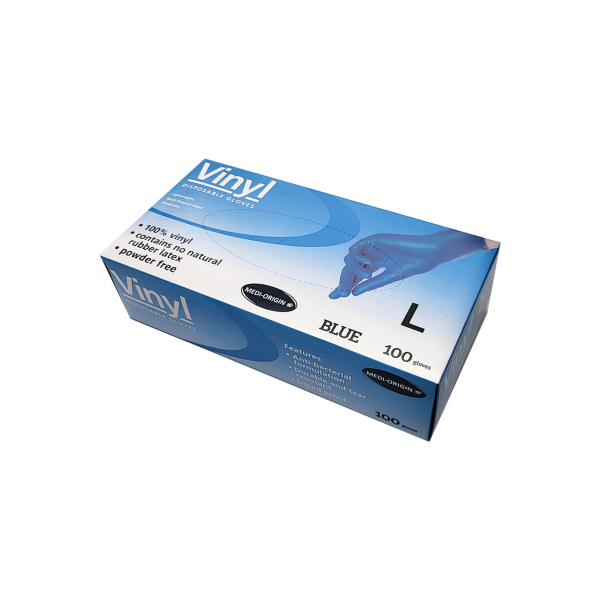
Vinyl gloves are one of the most widely used disposable glove options in industries such as food service, cleaning, healthcare support, and general-purpose applications. Known for their affordability and comfort, vinyl gloves provide a practical solution for low-risk tasks where high levels of chemical resistance or puncture protection are not required.
As hygiene standards continue to increase across workplaces, vinyl gloves have become an essential part of everyday safety and contamination control systems. They are especially popular in environments that require frequent glove changes due to their low cost and ease of use.
In this comprehensive guide, we will explore everything you need to know about vinyl gloves, including their uses, benefits, limitations, types, comparisons, and how to choose the right option for your needs.
What Are Vinyl Gloves?
Vinyl gloves are disposable gloves made from synthetic polyvinyl chloride (PVC). They are designed for single use and provide a basic level of protection against contaminants, dirt, and non-hazardous substances.
Unlike latex or nitrile gloves, vinyl gloves are less elastic and have a looser fit, but they are cost-effective and suitable for tasks that do not require high durability or chemical resistance.
Vinyl gloves are commonly used in:
-
Food handling and preparation
-
Cleaning and janitorial services
-
Hairdressing and beauty salons
-
Light industrial tasks
-
Hospitality and catering services
-
Non-medical healthcare support
Key Features of Vinyl Gloves
Vinyl gloves are known for their simplicity and affordability.
Cost-Effective Solution
Vinyl gloves are one of the cheapest disposable glove options available.
Latex-Free Material
They are safe for individuals with latex allergies.
Loose and Comfortable Fit
Provides easy wear and removal, especially for frequent changes.
Smooth Surface
Suitable for low-risk tasks requiring basic protection.
Disposable Design
Designed for single-use applications to maintain hygiene.
Why Vinyl Gloves Are Popular
The popularity of vinyl gloves comes from their affordability and practicality.
Ideal for High-Volume Use
Businesses that require frequent glove changes prefer vinyl gloves due to their low cost.
Easy to Wear
Loose fit makes them quick and convenient to use.
Suitable for Low-Risk Tasks
Perfect for environments where chemical or puncture protection is not critical.
Widely Available
Easily sourced in bulk for commercial use.
Common Uses of Vinyl Gloves
Vinyl gloves are widely used across various industries, especially in low-risk environments.
Food Industry
Vinyl gloves are commonly used in food handling and preparation.
They help:
-
Maintain hygiene standards
-
Prevent direct hand contact with food
-
Support compliance with food safety regulations
However, they are best suited for short-term tasks.
Cleaning Services
Used by cleaning professionals for:
-
General cleaning tasks
-
Handling mild cleaning agents
-
Waste disposal
Vinyl gloves protect against dirt and mild irritants.
Hospitality and Catering
In hotels and restaurants, vinyl gloves are used for:
-
Food preparation
-
Serving food
-
Kitchen hygiene tasks
Beauty and Hairdressing
Vinyl gloves are used in salons for:
-
Hair dyeing
-
Basic cosmetic treatments
-
Cleaning equipment
Healthcare Support
Although not suitable for high-risk medical procedures, vinyl gloves are used for:
-
Non-invasive tasks
-
Patient support activities
-
Administrative healthcare tasks
Light Industrial Use
Vinyl gloves are used in industries for:
-
Packaging
-
Sorting
-
Light assembly work
Advantages of Vinyl Gloves
Vinyl gloves offer several benefits that make them popular in many industries.
1. Affordable Pricing
One of the cheapest glove options available.
2. Latex-Free Safety
Suitable for individuals with latex allergies.
3. Easy to Use
Loose fit allows quick wearing and removal.
4. Good for Frequent Changes
Ideal for environments requiring constant glove replacement.
5. Suitable for Low-Risk Tasks
Works well for food handling and general cleaning.
Disadvantages of Vinyl Gloves
Despite their benefits, vinyl gloves have several limitations.
Low Durability
They are less resistant to punctures and tears.
Poor Chemical Resistance
Not suitable for strong chemicals or solvents.
Loose Fit
Reduced tactile sensitivity compared to nitrile or latex gloves.
Not Suitable for High-Risk Tasks
Not recommended for medical procedures or industrial chemical handling.
Vinyl Gloves vs Other Gloves
Understanding comparisons helps in choosing the right glove type.
Vinyl vs Nitrile
-
Vinyl: Cheap but low durability
-
Nitrile: Strong, chemical-resistant, and puncture-proof
Vinyl vs Latex
-
Vinyl: Allergy-safe but less flexible
-
Latex: More elastic but may cause allergies
Vinyl vs Polyethylene
-
Vinyl: Better fit and durability
-
Polyethylene: Very basic and loose-fitting
Types of Vinyl Gloves
Vinyl gloves come in different variations based on usage needs.
Powder-Free Vinyl Gloves
Most commonly used type.
Features:
-
No powder residue
-
Suitable for food handling
-
Reduced contamination risk
Powdered Vinyl Gloves
Contain powder for easier wearing.
Features:
-
Easy to put on
-
Less commonly used today
-
May cause contamination in food environments
Industrial Vinyl Gloves
Designed for light industrial applications.
Features:
-
Slightly thicker material
-
Suitable for packaging and sorting tasks
Medical-Grade Vinyl Gloves
Used for non-invasive healthcare tasks.
Features:
-
Basic barrier protection
-
Used in low-risk medical environments
How to Choose the Right Vinyl Gloves
Selecting the right gloves depends on your application.
Consider Task Risk Level
Vinyl gloves are best for low-risk environments.
Check Powder Type
Powder-free is preferred for food and hygiene-sensitive areas.
Evaluate Thickness
Thicker gloves offer slightly better durability.
Ensure Proper Sizing
Proper fit improves comfort and reduces tearing.
Check Certification
Look for compliance with food safety or workplace standards.
Vinyl Gloves in Food Industry
Vinyl gloves are widely used in food service due to their affordability and hygiene benefits.
They help:
-
Prevent cross-contamination
-
Maintain hygiene standards
-
Support food safety compliance
However, frequent changing is necessary for safety
Vinyl Gloves in Cleaning Industry
In cleaning environments, vinyl gloves are used for:
-
Light cleaning tasks
-
Handling mild detergents
-
Waste management
They provide basic protection against dirt and irritation.
Vinyl Gloves in Healthcare Support
While not suitable for surgical use, vinyl gloves are used for:
-
Administrative healthcare tasks
-
Non-invasive patient care
-
General hospital support duties
Industrial Use of Vinyl Gloves
Vinyl gloves are used in industries for:
-
Light assembly work
-
Packaging
-
Sorting and handling
They are not suitable for chemical-heavy environments
Proper Use and Safety Guidelines
To ensure effectiveness:
Best Practices:
-
Use gloves only once
-
Change gloves frequently
-
Avoid exposure to strong chemicals
-
Wash hands before wearing gloves
Improper use reduces safety and hygiene effectiveness.
Environmental Impact of Vinyl Gloves
Vinyl gloves are made from PVC, which has environmental concerns.
Challenges:
-
Non-biodegradable material
-
Plastic waste accumulation
-
Limited recycling options
Improvements:
-
Development of eco-friendly PVC alternatives
-
Recycling initiatives in industrial sectors
Storage Guidelines
To maintain glove quality:
-
Store in a cool, dry place
-
Avoid direct sunlight
-
Keep away from heat and chemicals
-
Use before expiry date
Future Trends in Vinyl Gloves
The vinyl glove industry is evolving with:
-
Eco-friendly PVC alternatives
-
Improved manufacturing processes
-
Enhanced comfort designs
-
Increased demand in food service industries
Despite competition from nitrile, vinyl gloves remain important due to cost advantages.
Frequently Asked Questions (FAQs)
1. What are vinyl gloves used for?
Vinyl gloves are used for food handling, cleaning, beauty services, and light industrial tasks.
2. Are vinyl gloves safe?
Yes, they are safe for low-risk applications but not for hazardous environments.
3. Are vinyl gloves better than latex?
They are better for allergy safety but less durable than latex.
4. Can vinyl gloves be reused?
No, they are designed for single use only.
5. Are vinyl gloves food safe?
Yes, food-grade vinyl gloves are widely used in food preparation.
6. Do vinyl gloves protect against chemicals?
No, they offer limited chemical resistance.
7. What is the difference between vinyl and nitrile gloves?
Vinyl is cheaper but weaker, while nitrile is stronger and more protective.
Conclusion
Vinyl gloves are an affordable and practical solution for low-risk tasks across food service, cleaning, hospitality, and light industrial applications. While they do not offer the same level of protection as nitrile or latex gloves, their cost-effectiveness and ease of use make them a popular choice for high-volume usage environments.
For businesses prioritizing hygiene, efficiency, and budget control, vinyl gloves remain a reliable option. However, selecting the right glove type based on risk level is essential to ensure safety and compliance in any workplace.

 Arabic
 French
 Spanish
 Portuguese
 Deutsch
 Turkish
 Dutch
Dutch
 Italiano
 Russian
 Romaian
 Portuguese (Brazil)
 Greek
Greek