
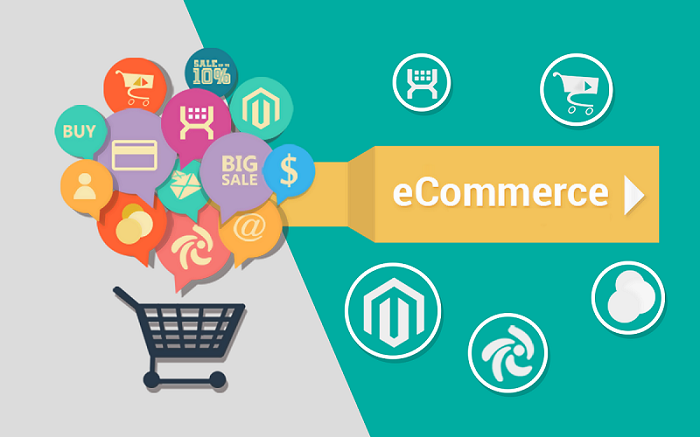
In the span of just a few decades, the fundamental act of buying and selling has been radically and permanently transformed by the rise of the global E Commerce industry. "E-commerce," short for electronic commerce, encompasses the buying and selling of goods or services using the internet, and the transfer of money and data to execute these transactions. It has evolved from a niche channel for early adopters into the central growth engine of the entire retail sector, profoundly altering consumer behavior, supply chain logistics, and the very concept of a storefront. This industry is a sprawling ecosystem of online retailers, digital marketplaces, payment gateways, logistics providers, and marketing platforms, all working in concert to create a seamless and on-demand shopping experience. From massive global giants like Amazon and Alibaba to the smallest independent artisan selling their wares on a social media platform, e-commerce has democratized retail, creating a global marketplace that is open 24/7 and accessible from virtually anywhere on earth with an internet connection.
The Two Dominant Models: The Ecosystem of Online Retail and Commerce
The e-commerce industry is primarily structured around two dominant business models that define how sellers connect with buyers. The first is the direct-to-consumer (D2C) model, where a brand sells its products directly to its end customers through its own branded website, eliminating the need for a traditional retail middleman. This model, exemplified by brands like Warby Parker and Allbirds, gives companies complete control over their branding, customer experience, and, most importantly, their valuable customer data. The second, and often larger, model is the marketplace. In this setup, a platform provider like Amazon, eBay, or Alibaba creates a massive digital mall where thousands or even millions of third-party sellers can list their products. The marketplace handles the customer traffic, search functionality, and payment processing in exchange for a commission on each sale. This model offers sellers instant access to a huge customer base, while offering consumers an unparalleled selection and competitive pricing, creating a powerful network effect that has allowed these platforms to achieve immense scale. Many brands today employ a hybrid strategy, operating their own D2C site while also selling on major marketplaces to maximize their reach.
The Operational Backbone: The Technology and Logistics that Power E-commerce
The seemingly simple act of clicking "buy now" and having a product arrive at your doorstep is powered by an incredibly complex and sophisticated technological and logistical backbone. The consumer-facing part of this is the e-commerce platform itself, the software that runs the online store. This can be a custom-built site or, more commonly, a platform like Shopify, BigCommerce, or Adobe Commerce (Magento), which provides a suite of tools for building a storefront, managing a product catalog, and processing orders. Behind the scenes, a network of payment gateways like Stripe and PayPal securely handles the financial transaction. The most critical and operationally intensive part is fulfillment and logistics. This involves everything from warehousing the inventory and picking and packing the orders to the final "last-mile" delivery to the customer's home. The immense logistical challenge of fulfilling millions of individual orders quickly and cost-effectively is the primary battleground for e-commerce competition and has spurred massive innovation in warehouse automation, route optimization, and delivery networks.
The Cultural Impact: How E-commerce Has Reshaped Society and Commerce
The impact of the e-commerce industry extends far beyond the retail sector; it has fundamentally reshaped consumer expectations and daily life. The convenience of online shopping has created an "on-demand" culture where consumers expect a vast selection, personalized recommendations, and fast, often free, delivery. This has put immense pressure on traditional brick-and-mortar retailers, forcing them to either develop their own robust e-commerce capabilities or risk becoming obsolete, a phenomenon often referred to as the "retail apocalypse." E-commerce has also given rise to a new generation of entrepreneurs and small businesses, providing them with a low-cost entry point to a global market that was previously inaccessible. The data-driven nature of online retail has transformed marketing, moving from mass media advertising to highly targeted, personalized digital campaigns based on a user's browsing and purchase history. In essence, e-commerce has not just changed where we shop; it has changed how we discover products, how we make decisions, and what we expect from the brands we interact with.
Explore More Like This in Our Reports:

 Arabic
 French
 Spanish
 Portuguese
 Deutsch
 Turkish
 Dutch
Dutch
 Italiano
 Russian
 Romaian
 Portuguese (Brazil)
 Greek
Greek