
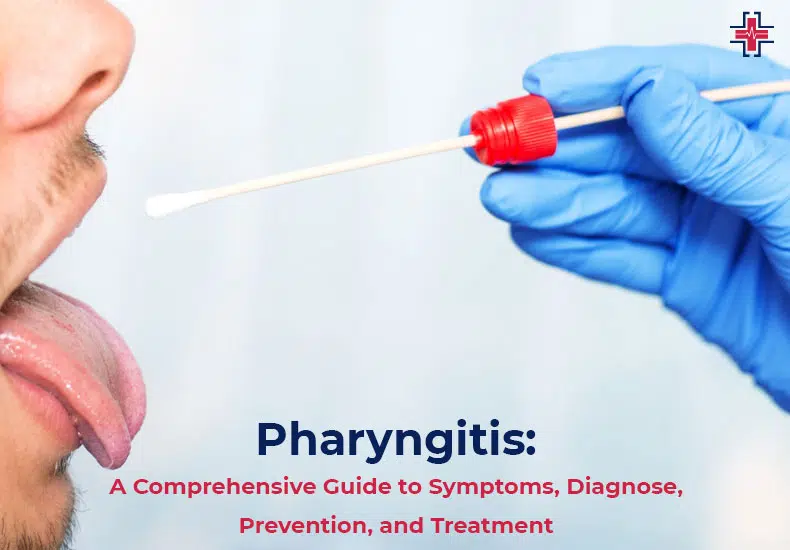
A sore throat is one of the most common health complaints, but not every sore throat is the same. Many people experience throat pain because of allergies, dry air, or the common cold. However, when pharyngitis symptoms become severe or last longer than expected, they may signal an infection that needs medical attention. At ER of Mesquite, our emergency team provides fast evaluation and treatment for patients experiencing serious throat infections and related complications.
What Is Pharyngitis?
Pharyngitis is the medical term for inflammation of the pharynx, which is the back part of the throat. This condition usually causes pain, irritation, and difficulty swallowing.
Pharyngitis can affect people of all ages and may develop because of:
- Viral infections
- Bacterial infections
- Allergies
- Dry air
- Smoking
- Acid reflux
- Environmental irritants
Most cases improve within a few days, but some infections become severe and require emergency medical care.
Common Causes of Pharyngitis
Understanding the cause helps determine the right treatment.
Viral Infections
Viruses cause most cases of pharyngitis.
Common viruses include:
- Common cold viruses
- Influenza
- COVID-19
- Epstein-Barr virus (mononucleosis)
- Respiratory viruses
Viral infections usually improve with supportive care and rest.
Bacterial Infections
The most common bacterial cause is strep throat.
Without treatment, bacterial infections may lead to complications involving the heart, kidneys, or joints.
Doctors often prescribe antibiotics after confirming the infection.
Allergies
Seasonal allergies can irritate the throat because of:
- Pollen
- Dust
- Pet dander
- Mold
These cases are usually not contagious.
Acid Reflux
Stomach acid can flow back into the throat and cause ongoing irritation, especially at night.
Dry Air
Indoor heating and low humidity often dry the throat, causing soreness and discomfort.
Smoking and Air Pollution
Cigarette smoke and polluted air can inflame throat tissues and increase irritation.
Signs and Symptoms of Pharyngitis
Symptoms vary depending on the cause and severity.
Common signs include:
- Sore throat
- Pain while swallowing
- Scratchy throat
- Red throat
- Swollen tonsils
- White patches on the tonsils
- Fever
- Headache
- Body aches
- Swollen lymph nodes
- Fatigue
- Hoarse voice
- Bad breath
- Ear pain
- Loss of appetite
Children may also become irritable or refuse food because swallowing is painful.
Viral vs. Bacterial Pharyngitis
Knowing the difference helps guide treatment.
| Viral Pharyngitis | Bacterial Pharyngitis |
|---|---|
| Gradual onset | Sudden onset |
| Runny nose | High fever |
| Cough | Swollen lymph nodes |
| Sneezing | White patches on tonsils |
| Mild fever | Severe throat pain |
| Usually improves without antibiotics | Often requires antibiotics |
Only a healthcare provider can confirm the exact cause through examination and testing.
Who Is at Higher Risk?
Some people are more likely to develop throat infections.
Risk factors include:
- Children and teenagers
- Teachers
- Healthcare workers
- Smokers
- People with weak immune systems
- Individuals with allergies
- Frequent exposure to sick people
How Doctors Diagnose Pharyngitis
A healthcare provider begins with a physical examination.
They may also perform:
- Medical history review
- Throat examination
- Rapid strep test
- Throat culture
- Blood tests when needed
- COVID-19 or flu testing if symptoms suggest viral illness
Accurate diagnosis helps ensure proper treatment.
Treatment Options
Treatment depends on the underlying cause.
Home Care
Many mild cases improve with simple care.
Helpful measures include:
- Drink plenty of fluids
- Get enough rest
- Gargle with warm salt water
- Use throat lozenges
- Drink warm tea with honey (for adults and children over one year)
- Use a humidifier
- Take fever reducers as directed
Antibiotics
Antibiotics only work for bacterial infections.
They should:
- Be taken exactly as prescribed
- Never be shared
- Be completed even if symptoms improve
Using antibiotics unnecessarily does not help viral infections.
Pain Relief
Doctors may recommend medications to reduce:
- Fever
- Swelling
- Pain
- Inflammation
Always follow medical instructions before taking medications.
When a Sore Throat Becomes an Emergency
Although many sore throats are mild, some situations require immediate medical attention.
Visit ER of Mesquite if you experience:
- Difficulty breathing
- Difficulty swallowing saliva
- Severe throat swelling
- High fever that does not improve
- Persistent vomiting
- Severe dehydration
- Neck swelling
- Blood in saliva
- Severe pain lasting several days
- Confusion
- Rash with fever
Prompt treatment can help prevent serious complications.
Possible Complications
Untreated bacterial infections may lead to:
- Peritonsillar abscess
- Ear infections
- Sinus infections
- Rheumatic fever
- Kidney inflammation
- Bloodstream infection
- Airway obstruction in severe cases
Early diagnosis greatly reduces these risks.
How to Prevent Pharyngitis
Good hygiene lowers your chances of getting sick.
Helpful prevention tips include:
- Wash your hands regularly.
- Avoid sharing drinking glasses.
- Cover coughs and sneezes.
- Stay away from people who are sick.
- Drink enough water.
- Avoid smoking.
- Replace toothbrushes after recovering from strep throat.
- Maintain a healthy immune system through good nutrition and sleep.
Caring for Children with Pharyngitis
Children often develop throat infections more frequently than adults.
Parents should watch for:
- Refusing food or drinks
- High fever
- Trouble breathing
- Excessive drooling
- Severe throat pain
- Unusual sleepiness
Young children can become dehydrated quickly, making early medical evaluation important.
Recovery Time
Recovery depends on the cause.
Typical recovery includes:
- Viral infections: 3–7 days
- Mild bacterial infections: Improvement within 24–48 hours after antibiotics begin
- Severe infections: Recovery may take longer depending on treatment
Following your healthcare provider's instructions helps speed recovery.
When Should You Visit ER of Mesquite?
Emergency care is recommended if symptoms are severe, sudden, or interfere with breathing or swallowing.
The experienced medical professionals at ER of Mesquite provide rapid evaluation, advanced diagnostic testing, and immediate treatment for serious throat infections. Whether the cause is viral, bacterial, or another medical condition, timely care helps prevent complications and supports a faster recovery.
Frequently Asked Questions (FAQs)
Is pharyngitis contagious?
Yes. Viral and bacterial forms can spread through coughing, sneezing, and close contact.
Can pharyngitis go away without antibiotics?
Yes. Viral pharyngitis usually improves without antibiotics, while bacterial infections often require prescription medication.
How long does pharyngitis last?
Most viral infections improve within one week. Bacterial infections often improve within two days after starting antibiotics.
Can adults get strep throat?
Yes. Although it is more common in children, adults can also develop strep throat.
Is every sore throat caused by pharyngitis?
No. A sore throat may also result from allergies, acid reflux, dry air, or environmental irritation.
Can pharyngitis cause fever?
Yes. Fever is common, especially with bacterial infections and some viral illnesses.
When should I seek emergency care?
Seek immediate medical attention if you have difficulty breathing, severe swelling, inability to swallow, persistent high fever, or signs of dehydration.
For more information visit:https://erofmesquite.com/services/strep-throat-mono-and-flu-tests-mesquite/

 English
 Arabic
 French
 Portuguese
 Deutsch
 Turkish
 Dutch
Dutch
 Italiano
 Russian
 Romaian
 Portuguese (Brazil)
 Greek
Greek