

Packaging affects how customers view a cigar brand. It also protects cigars during storage, transport and retail display. The choice between wood and cardboard can shape product cost, shelf appeal and customer experience. Wooden cigar boxes have a long history in the tobacco market. They offer strength and a traditional look. Cardboard options provide more design freedom and often cost less. Each material serves a different business need.
Brands should compare product value, storage needs, order size and retail goals before choosing cigar packaging.
The Traditional Appeal of Wooden Cigar Boxes
Wood creates a classic and established appearance. Many customers connect wooden cigar boxes with quality, ageing and careful production. Manufacturers often use cedar or other suitable woods. Cedar can help control moisture and reduce changes in aroma. It also gives the box a natural scent that many cigar buyers recognise. A wooden box usually feels solid in the hand. Its weight and texture can support a premium product image. Hinges, clasps and engraved details can add to the presentation.
Wood works well for:
-
Premium cigar collections
-
Limited edition products
-
Gift sets
-
Long term storage
-
Brands with a traditional identity
However, wood costs more than cardboard in most cases. It also adds weight to shipping. These costs can affect smaller brands or products sold at a lower price.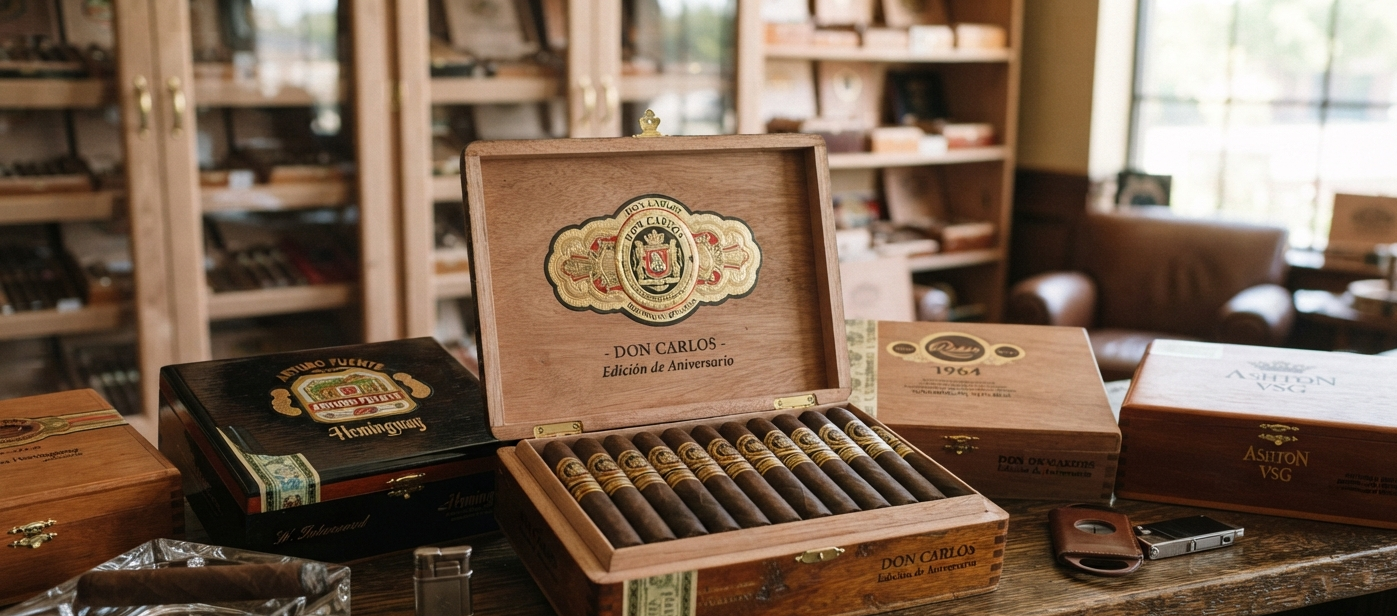
The Practical Value of Cardboard Cigar Boxes
Cardboard gives brands a lighter and more flexible option. It can protect cigars while keeping material and shipping costs under control. Cardboard cigar packaging boxes can use paperboard or corrugated board. Paperboard suits light retail packs. Corrugated board provides more strength for larger quantities or longer delivery routes. Brands can print colours, patterns, images and product details directly on the surface. This flexibility makes cardboard useful for seasonal products and modern branding.
Cardboard works well for:
-
Everyday retail products
-
Small cigar packs
-
Trial collections
-
Promotional releases
-
Large production runs
The material also folds flat before assembly. This feature can reduce storage needs for businesses that order large quantities.
Protection During Storage and Delivery
Cigars need protection from pressure, moisture changes and physical damage. A weak package can lead to cracked wrappers or crushed ends. Wood provides strong walls that resist pressure. It can protect cigars during stacking and long term storage. A fitted tray or divider can also stop the cigars from moving. Cardboard can still offer reliable protection when the board has the right thickness. Inserts, sleeves and inner trays can improve stability. An outer shipping carton may provide extra support during delivery.
The best material depends on the route from production to the customer. A box used only for shop display faces different risks from one sent through a delivery network. Brands should test the full package with the cigars inside. Empty box tests do not show how the product moves during transport.
Moisture and Aroma Control
Moisture control plays an important role in cigar quality. Cigars can dry out when the air lacks moisture. They can also become too damp in poor storage conditions. Wooden cigar packaging can support stable storage when manufacturers choose and prepare the material correctly. Cedar may help manage small changes in moisture and protect the cigar aroma.
Cardboard does not control moisture in the same way. Brands may need an inner wrap, sealed pouch or humidity control product. These additions can keep the cigars in suitable condition until purchase. The package should not carry strong glue, ink or coating odours. These odours may affect the product. Businesses should ask suppliers for materials that suit tobacco products.
Design and Printing Options
Cardboard provides more freedom for printed design. Brands can use full colour artwork, product photos, patterns and detailed text. They can also change the design without replacing expensive wooden parts. Wood supports a different visual style. Engraving, stamping and simple printed marks often suit the surface. The natural grain also becomes part of the design. A company should choose a material that supports its brand identity. A traditional cigar range may look more suitable in wood. A fresh or colourful product line may benefit from cardboard.
The design should keep important details easy to read. These may include the cigar name, quantity, origin and required warnings.
Retail Packaging and Shelf Presentation
Retail packaging must attract attention and give customers useful information. It should also fit shelves, display units and stockroom spaces. Wooden boxes can create a strong display in specialist cigar shops. Retailers may place an open box on a counter so customers can view the products. The box can remain useful after the sale for storage or display. Cardboard packages often fit standard retail shelves more easily. They can use bold colours and clear product names to help customers compare options. Flat surfaces also make labels and barcodes easier to place. Custom retail boxes allow brands to choose dimensions that match common shelf sizes. A good fit can improve product arrangement and reduce wasted space. Retailers also need packages that staff can handle quickly. Easy opening, secure closing and clear stock codes can make daily work simpler.
Cost and Production Volume
Cost often guides the final choice. Wooden boxes need more material, labour and shipping space. They may also require longer production times. Cardboard usually costs less per unit. The price may fall further when brands order larger quantities. This makes it useful for regular products and wide distribution.
Businesses should compare more than the unit price. They should include:
-
Printing and finishing costs
-
Inserts and inner wraps
-
Storage space
-
Shipping weight
-
Assembly time
-
Expected product damage
A cheap package can become costly if it fails to protect the cigars. A high cost package can also reduce profit when the product does not support a premium price.
Sustainability Considerations
Both materials can support responsible packaging choices. The result depends on sourcing, design and disposal. Wooden boxes may last for years. Customers often reuse them for storage. Brands should choose wood from responsible sources and avoid unnecessary mixed materials. Cardboard can use recycled content and often enters paper recycling systems. Simple structures make recycling easier. Plastic windows, metal parts and heavy coatings may create extra steps. Custom retail packaging should use only the material needed to protect and present the product. Right sized boxes can reduce waste and shipping weight.
Brands should make clear and accurate environmental claims. Customers need facts about material content and disposal methods rather than broad promises.
Customer Experience After Purchase
The opening experience can influence how customers remember a brand. A wooden lid, firm clasp and organised cigar layout can create a careful and traditional presentation. Cardboard can also provide a good experience. Sleeves, drawers and folding lids can make opening simple and neat. Printed messages inside the box can add product information without crowding the outside. Brands should make sure customers can remove each cigar without damage. Tight inserts may harm wrappers. Loose layouts may allow movement. The package should also remain useful after opening when customers need to store the cigars.
Which Material Is Right for Your Brand?
Wood often suits brands that sell premium products, gift collections and limited releases. It supports a traditional image and provides strong protection. Cardboard suits businesses that need lower costs, lighter shipping and more printing options. It also works well for everyday retail products and changing designs. Some brands use both materials. They may choose cardboard for standard ranges and wood for premium collections. This approach allows the packaging to match the product price and customer expectations.
Final Thoughts
Wooden and cardboard cigar boxes offer different strengths. Wood provides a traditional look, solid protection and long term value. Cardboard offers flexible printing, lower weight and practical costs. The right cigar packaging should protect quality, support retail display and match the brand position. Businesses should consider storage, delivery, design and price before making a choice.
Well planned cigar packaging boxes help products reach customers in good condition. They also make the product easier to display, recognise and remember.

 English
 Arabic
 French
 Spanish
 Portuguese
 Deutsch
 Turkish
 Dutch
Dutch
 Russian
 Romaian
 Portuguese (Brazil)
 Greek
Greek