
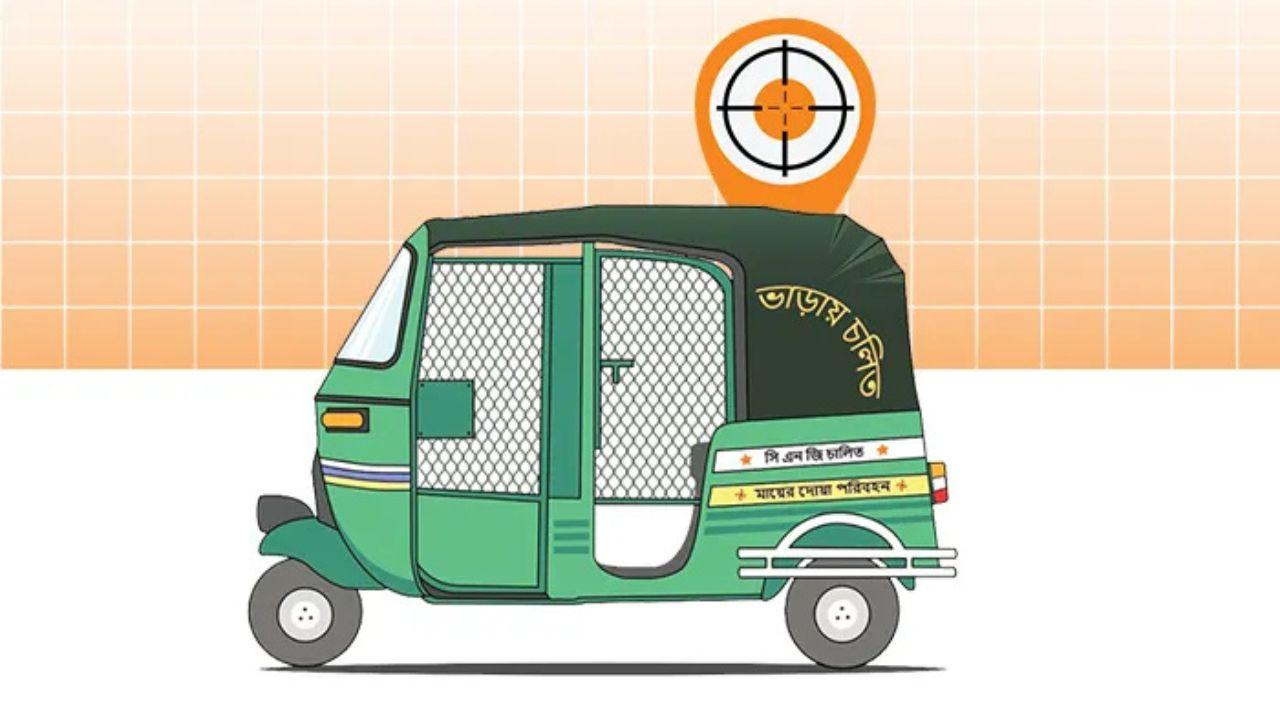
In Bangladesh, CNG-powered vehicles have become a popular choice for both personal and commercial transportation. They are economical, eco-friendly, and widely available across urban and suburban areas. However, managing and securing these vehicles comes with its own set of challenges. From navigating congested streets in Dhaka to preventing unauthorized usage and theft, CNG owners face daily operational concerns.
One of the most effective solutions to these challenges is implementing GPS tracking for CNGs. A GPS tracker not only provides real-time location updates but also helps in monitoring vehicle performance, improving safety, and streamlining operations. According to recent transport surveys, vehicles equipped with tracking systems report 30–50% fewer incidents of misuse and theft, highlighting the importance of smart vehicle management.
This article explores the top ten benefits of using a GPS tracker for your CNG vehicle, offering actionable insights, expert tips, and practical guidance for maximizing its utility.
1. Real-Time Vehicle Location Monitoring
A GPS tracker allows owners to monitor their CNG vehicle’s exact location in real time. This is especially useful for commercial operators, including ride services, delivery vehicles, and taxi CNGs.
By using mobile apps or web dashboards, owners can:
-
Track vehicle movement across the city
-
Ensure adherence to assigned routes
-
Provide accurate arrival estimates to passengers or clients
Real-time monitoring reduces uncertainty and provides peace of mind, whether the vehicle is being used for business or personal purposes.
2. Theft Prevention and Recovery
Vehicle theft remains a significant concern in Bangladesh. CNG vehicles, particularly those operating commercially, are often targeted by thieves. A GPS tracker helps prevent theft by:
-
Sending instant alerts if the vehicle is moved without authorization
-
Allowing owners to track stolen vehicles in real time
-
Assisting law enforcement with precise location data
Many vehicles equipped with GPS tracking are recovered faster, demonstrating the system’s effectiveness in theft prevention.
3. Geo-Fencing Capabilities
Geo-fencing allows owners to define virtual boundaries for their CNG vehicles. If the vehicle exits the designated area, an alert is immediately sent to the owner’s mobile device.
This feature is particularly useful for:
-
Commercial CNG operators managing multiple vehicles
-
Parents or guardians supervising young drivers
-
Businesses ensuring vehicles stay within operational zones
Geo-fencing provides a proactive approach to security, reducing misuse and unauthorized trips.
4. Monitoring Driver Behavior
Modern GPS trackers offer insights into driver behavior, including over-speeding, harsh braking, and sudden acceleration. This data helps owners:
-
Identify unsafe driving patterns
-
Provide feedback or training to drivers
-
Reduce accident risk and vehicle wear
For commercial operators, monitoring driver behavior ensures responsible vehicle use, reduces fuel consumption, and enhances passenger safety.
5. Route Optimization and Efficiency
Traffic congestion is a common issue in cities like Dhaka and Chattogram. GPS trackers provide route analysis and real-time traffic updates, enabling drivers to:
-
Avoid congested areas
-
Reduce travel time
-
Minimize fuel consumption
For commercial CNG operators, optimized routes mean more trips in less time, enhancing revenue potential and service reliability.
6. Improved Maintenance Scheduling
GPS trackers can log mileage, engine hours, and operational data, helping owners schedule preventive maintenance. Regular maintenance reduces breakdowns and prolongs vehicle life.
Benefits include:
-
Lower repair costs
-
Reduced downtime
-
Enhanced vehicle reliability
This is particularly important for CNG vehicles, which require periodic engine checks and gas system inspections to maintain optimal performance.
7. Enhanced Safety for Passengers and Drivers
Safety is a primary concern for CNG vehicle owners, especially for taxis, ride-sharing, or school transport. GPS tracking enhances safety by:
-
Providing real-time monitoring for emergency response
-
Alerting owners to unauthorized or unsafe driving
-
Enabling quick recovery in case of accidents or theft
Parents, commuters, and commercial operators gain confidence knowing that the vehicle’s location and operational status are continuously monitored.
8. Cost Control and Fuel Efficiency
GPS tracking helps optimize fuel usage by monitoring driving habits and idle time. Over-speeding, unnecessary idling, and inefficient routes contribute to higher fuel costs.
By analyzing GPS data, owners can:
-
Implement fuel-efficient driving practices
-
Reduce fuel wastage
-
Improve overall operational cost management
This is particularly beneficial for commercial operators with multiple CNG vehicles on the road.
9. Automated Reporting and Analytics
GPS trackers generate detailed reports on vehicle usage, travel history, and driver performance. These reports assist owners in:
-
Analyzing operational efficiency
-
Identifying trends or recurring issues
-
Making data-driven decisions for fleet management
For business owners, this insight translates into improved profitability, better planning, and informed decision-making.
10. Peace of Mind and Convenience
Perhaps the most overlooked benefit of GPS tracking for CNGs is the psychological comfort it provides. Owners can:
-
Monitor their vehicle from anywhere
-
Receive instant alerts for unusual activity
-
Ensure accountability and responsible usage
This peace of mind is invaluable, especially in urban environments with high traffic, theft risks, and operational challenges.
Expert Insights: Best Practices for Using GPS Tracking for CNGs
Selecting the Right Device
-
Choose trackers with real-time updates and mobile app integration.
-
Ensure durability to withstand heat, moisture, and rough road conditions.
-
Look for additional features such as tamper alerts, geo-fencing, and driver behavior monitoring.
Installation Tips
-
Opt for professional installation to ensure the device is hidden and securely connected.
-
Avoid easily accessible spots where the tracker could be tampered with.
-
Test the system regularly to verify alerts, notifications, and connectivity.
Regular Monitoring and Maintenance
-
Review route history and driver behavior reports periodically.
-
Adjust geo-fencing and operational parameters based on data analysis.
-
Schedule preventive maintenance using GPS-provided mileage and engine usage logs.
Case Study: Fleet Management with GPS Tracking for CNGs
A Dhaka-based ride-sharing company equipped all its CNG vehicles with GPS trackers. Within six months, the company reported:
-
A 40% reduction in complaints related to route deviations
-
Faster response times in emergencies
-
Improved fuel efficiency through optimized routes
-
Reduced unauthorized usage incidents
This case demonstrates how GPS tracking can transform CNG fleet management, enhancing both security and operational efficiency.
Step-by-Step Guide to Implementing GPS Tracking for Your CNG Vehicle
-
Assess Needs: Determine the purpose—personal security, commercial operations, or fleet management.
-
Choose a Reliable Provider: Select a reputable GPS tracking provider like iTracker Bangladesh for device quality and support.
-
Install the Device: Ensure professional installation in a concealed location for maximum security.
-
Configure System Settings: Set up alerts, geo-fencing zones, and notifications for driver behavior or unauthorized movement.
-
Monitor Regularly: Use mobile apps and dashboards to track the vehicle, review reports, and take corrective actions.
-
Train Drivers: Educate drivers on safe driving practices and how to respond to alerts or notifications.
-
Schedule Maintenance: Use GPS data to plan preventive maintenance and reduce vehicle downtime.
Conclusion
CNG vehicles play a vital role in Bangladesh’s urban transportation ecosystem, but managing them efficiently and securely requires modern technology. Implementing GPS tracking for CNGs offers multiple benefits, including real-time monitoring, theft prevention, route optimization, driver behavior analysis, and enhanced safety.
Whether for personal use, commercial operations, or fleet management, GPS tracking provides actionable insights, operational efficiency, and peace of mind. For reliable GPS tracking solutions tailored to Bangladesh’s conditions, iTracker Bangladesh provides trusted devices and professional support, helping vehicle owners maximize security, performance, and convenience.

 English
 Arabic
 Spanish
 Portuguese
 Deutsch
 Turkish
 Dutch
Dutch
 Italiano
 Russian
 Romaian
 Portuguese (Brazil)
 Greek
Greek