
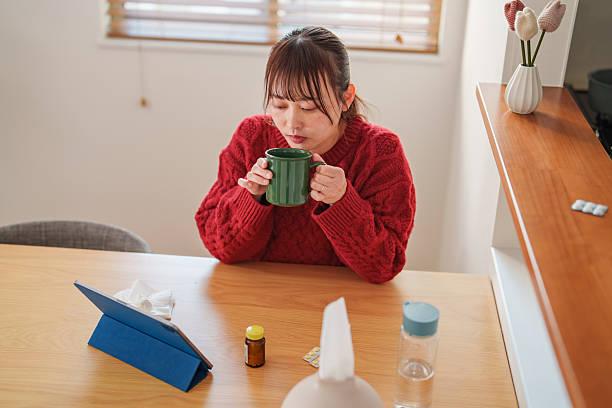
Introduction
Every year, millions of people face the discomfort of colds and flu, especially during seasonal changes. Cold and flu prevention is essential to maintain good health and avoid unnecessary medical visits. Dr.Max English offers practical advice, backed by research, to help you stay healthy and reduce the risk of infections. From boosting your immunity to adopting simple hygiene habits, there are many ways to protect yourself and your loved ones.
Understanding Cold and Flu
Colds and flu are caused by viruses that affect the respiratory system. While colds are usually mild, the flu can sometimes lead to serious health complications. Understanding how these viruses spread is key to effective prevention.
How Cold and Flu Spread
-
Direct contact with infected individuals
-
Touching contaminated surfaces
-
Airborne droplets from sneezing or coughing
Top Cold and Flu Prevention Tips
Dr.Max English emphasizes that prevention starts with simple daily habits. Here are the most effective strategies:
1. Maintain Proper Hand Hygiene
Washing your hands regularly with soap and water can prevent the spread of viruses. Use alcohol-based hand sanitizers when soap is unavailable.
2. Boost Your Immunity
Eating a balanced diet rich in vitamins C and D, zinc, and antioxidants strengthens your immune system. Foods like citrus fruits, leafy greens, nuts, and yogurt are highly beneficial.
3. Stay Hydrated
Drinking enough water keeps your body systems functioning efficiently and helps flush out toxins. Herbal teas can also provide added immune support.
4. Practice Respiratory Etiquette
Cover your mouth and nose when sneezing or coughing. Dispose of tissues properly and avoid touching your face with unwashed hands.
5. Get Vaccinated
Seasonal flu vaccines are a proven method to reduce the risk of severe influenza. Consult your healthcare provider about the best vaccination schedule.
6. Prioritize Sleep
Adequate sleep is essential for a strong immune response. Adults should aim for 7–9 hours per night to maintain overall health.
7. Keep Your Environment Clean
Regularly disinfect commonly touched surfaces such as doorknobs, phones, and keyboards. Proper ventilation in indoor spaces also reduces virus spread.
Natural Remedies for Cold and Flu
In addition to preventive habits, certain natural remedies can help alleviate symptoms and support recovery:
-
Honey and Lemon: Soothes sore throat and reduces coughing
-
Ginger Tea: Boosts immunity and relieves congestion
-
Steam Inhalation: Clears nasal passages and eases breathing
-
Garlic: Known for antiviral properties and immune support
Lifestyle Changes to Reduce Illness
Adopting a healthy lifestyle is a long-term strategy for cold and flu prevention:
-
Exercise regularly to improve circulation and immune function
-
Reduce stress through meditation or yoga
-
Avoid smoking and excessive alcohol consumption
-
Maintain a healthy weight
Special Considerations
Certain groups are more vulnerable to cold and flu:
-
Children
-
Elderly individuals
-
People with chronic illnesses
Dr.Max English recommends that these groups take extra precautions, including vaccination, regular hand hygiene, and avoiding crowded places during peak seasons.
When to See a Doctor
While most colds are mild, seek medical attention if you experience:
-
High fever that lasts more than three days
-
Difficulty breathing
-
Severe fatigue or body aches
-
Symptoms that worsen instead of improving
FAQs
Q1: Can vitamin supplements prevent colds and flu?
Yes, supplements like vitamin C, vitamin D, and zinc can support immune function, but they cannot replace a healthy diet and hygiene practices.
Q2: How effective are flu vaccines?
Flu vaccines are highly effective in reducing severe flu cases, hospitalizations, and complications. Annual vaccination is recommended.
Q3: Is it necessary to avoid public places during flu season?
While not always necessary, minimizing exposure to crowded areas during peak flu season can reduce your risk of infection.
Q4: Can children take natural remedies safely?
Some remedies like honey, ginger tea, and steam inhalation are safe for older children, but always consult a pediatrician for guidance.
For more information visit https://www.youtube.com/@DrMaxHindi

 English
 Arabic
 French
 Spanish
 Portuguese
 Deutsch
 Dutch
Dutch
 Italiano
 Russian
 Romaian
 Portuguese (Brazil)
 Greek
Greek