
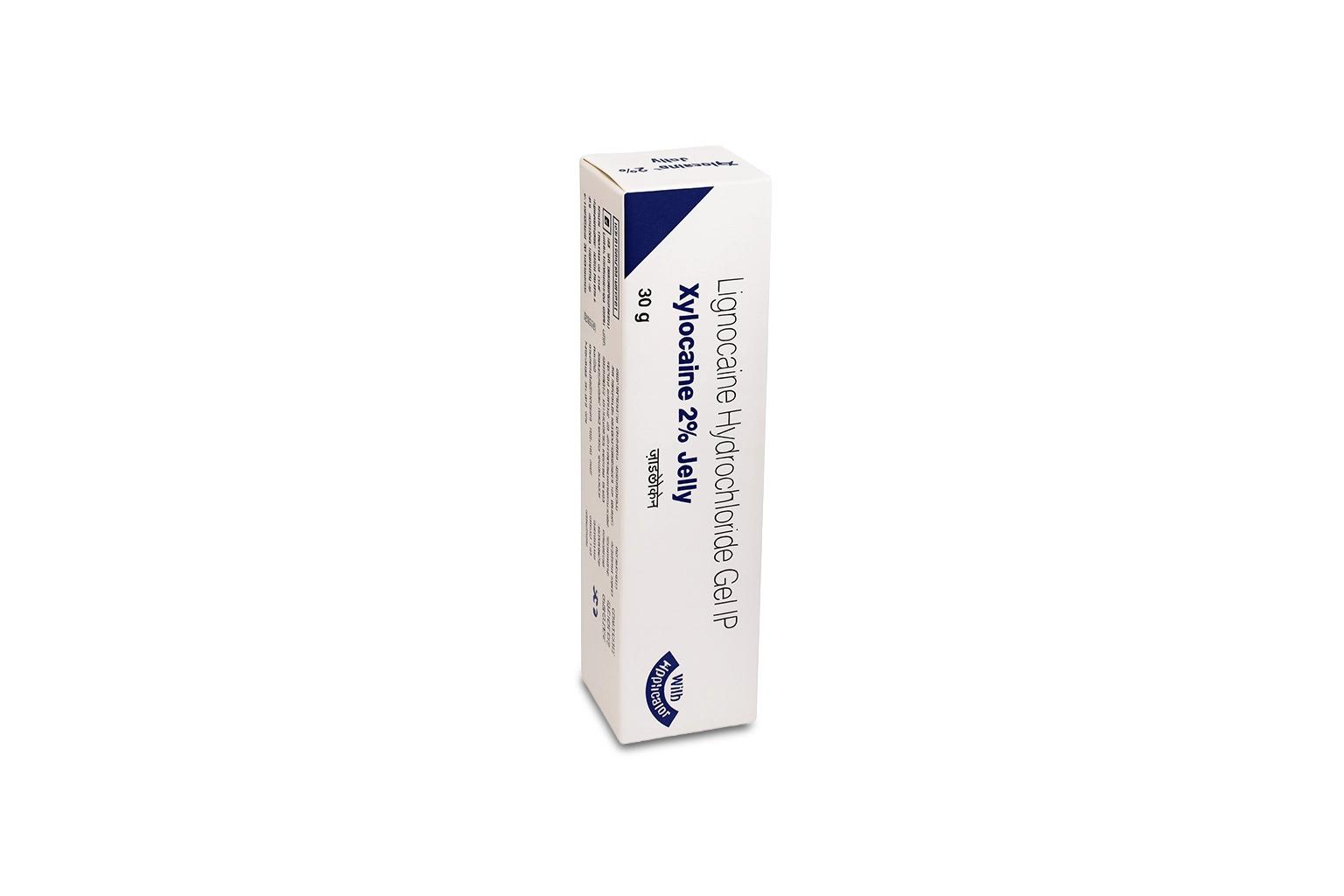
When we think of "first aid," we often think of bandages and antiseptics. However, there is one essential item that often bridges the gap between medical care and personal comfort: Xylocaine Jelly.
Commonly known by its active ingredient, Lidocaine, Xylocaine Jelly is a topical anesthetic that has become a staple in clinics and households alike. Because it is a water-soluble jelly rather than a thick grease, it offers a unique combination of lubrication and rapid numbing that traditional creams can’t match.
1. How Does Xylocaine Jelly Work?
Xylocaine Jelly works by temporarily "switching off" the nerve endings in the area where it is applied. It stabilizes the neuronal membrane, preventing it from sending pain or sensation signals to the brain.
Because the jelly is formulated to be mucosal-friendly, it is absorbed much more efficiently than standard ointments. This results in a numbing effect that typically begins within 3 to 5 minutes of application.
2. The Three Pillars of Use
While its uses are vast, Xylocaine Jelly generally falls into three main categories of care:
A. Clinical & Diagnostic Comfort
Xylocaine is the gold standard for "instrumentation." Whether it’s for the insertion of a catheter, an endoscopy, or a minor dermatological procedure, the jelly acts as both a lubricant and an anesthetic. It makes necessary medical steps significantly more comfortable and less traumatic for the tissue.
B. Relief from Skin Irritation
Minor burns, insect bites, and abrasions can cause localized "burning" or "itching" sensations that are difficult to ignore. A thin layer of Xylocaine Jelly provides an immediate cooling effect followed by deep numbing, allowing the skin to heal without the constant urge to scratch or rub the area.
C. Performance and Sensitivity Management
In recent years, Xylocaine Jelly has become a "secret weapon" in the men’s wellness community. For those looking to manage hypersensitivity and prolong intimacy, the jelly acts as a safe, temporary desensitizer. Its water-soluble nature makes it a preferred choice over oil-based creams, as it is easy to clean and compatible with most lifestyle products.
3. Best Practices for Application
To get the most out of Xylocaine Jelly, application technique is key:
-
The "Less is More" Rule: You don't need a thick coating. A thin, even layer is more effective for absorption.
-
The Timing Window: Apply the jelly at least 5 to 10 minutes before you need the numbing effect to be at its peak.
-
Clean Surface: For medical or personal use, always ensure the skin is clean and dry before application to prevent the jelly from sliding off.
4. Safety Considerations
-
Avoid the Eyes: Xylocaine is for external or mucosal use only. Keep it far away from your eyes and inner ears.
-
No Broken Skin: Avoid applying to deep puncture wounds or severely infected areas unless directed by a healthcare professional.
-
Sensitivity Check: If you notice extreme redness or a rash, wash the area immediately and discontinue use.
Conclusion: A Multi-Purpose Essential
Whether you are stocking a professional medical kit or simply looking for a way to manage physical discomfort and sensitivity, Xylocaine Jelly is an indispensable tool. It’s fast, effective, and—most importantly—provides the comfort you need right when you need it.

 English
 Arabic
 French
 Portuguese
 Deutsch
 Turkish
 Dutch
Dutch
 Italiano
 Russian
 Romaian
 Portuguese (Brazil)
 Greek
Greek