
Abdominal pain is one of the most common reasons for hospital visits, yet it remains one of the most difficult symptoms to diagnose without advanced intervention. While a "stomach ache" often resolves on its own, certain symptoms indicate life-threatening gastrointestinal emergencies that require immediate, specialized attention. From acute appendicitis and bowel obstructions to internal hemorrhaging, the difference between a successful recovery and a prolonged medical crisis often comes down to the speed and precision of the diagnostic tools available at your chosen facility.
1. Recognizing the Severity of GI Symptoms
Not all digestive issues are created equal. While indigestion or a mild virus can be managed at home, there are specific "red flags" that should never be ignored. Severe, localized pain that prevents you from standing straight, a rigid or "board-like" abdomen, persistent vomiting, or the presence of blood in the stool are all indicators of a high-acuity event.
In these moments, waiting for a primary care appointment is not an option. Professional emergency intervention is required to rule out perforated organs or ischemic bowel conditions that can lead to sepsis within hours. Recognizing these signs early is the first step in seeking the specialized care necessary to stabilize your condition.
2. The Role of Advanced Imaging in GI Diagnosis
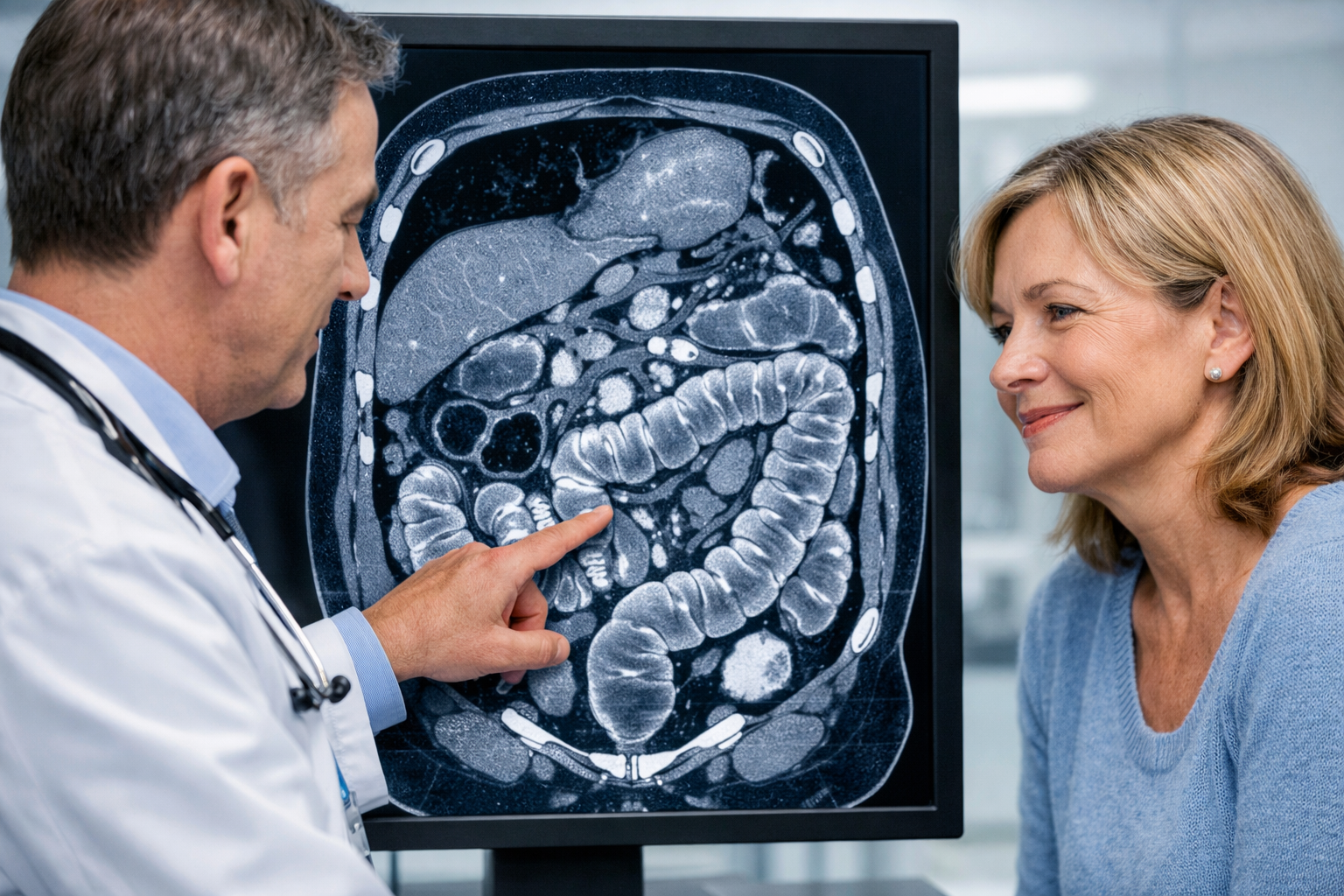
The GI tract is a complex, winding system that is difficult to assess through physical exams alone. High-quality emergency facilities utilize Multi-Slice CT scans with oral and intravenous contrast to create a 3D map of the digestive system. This allows physicians to see blockages, inflammation, or pockets of infection (abscesses) with microscopic detail.
Unlike standard clinics, a specialized ER provides these imaging services 24/7. This immediate access to high-definition data allows the medical team to determine if a patient needs emergency surgery or can be managed with intravenous medications, saving critical time and reducing the risk of exploratory procedures.
3. Fluid Resuscitation and Metabolic Balance
Many gastrointestinal emergencies lead to rapid dehydration and electrolyte imbalances due to vomiting or internal fluid shifts. In an emergency setting, stabilization involves more than just pain relief; it requires aggressive IV fluid resuscitation and the monitoring of blood chemistry.
By utilizing on-site laboratories, emergency teams can track potassium, sodium, and pH levels in real-time. This ensures that the patient’s heart and kidney functions are protected while the primary GI issue is being addressed. This level of physiological monitoring is a hallmark of a facility equipped for high-acuity digestive crises.
4. Managing Gastrointestinal Bleeding
Internal bleeding within the digestive tract is a critical emergency that requires rapid stabilization. Whether caused by ulcers, esophageal varices, or diverticulitis, GI bleeds can lead to a dangerous drop in blood pressure and shock.
A dedicated emergency team is prepared to provide blood transfusions and coordinate with surgical specialists immediately. The goal is to stabilize the patient's hemodynamic status while preparing for definitive intervention to stop the source of the bleed.
The Specialized Bridge to Digestive Health
When you are doubled over in pain, you need more than just a general doctor; you need a facility that specializes in rapid-response diagnostics. Finding the best emergency room for gastrointestinal problems means looking for a center that offers zero wait times, on-site CT imaging, and a team trained in acute abdominal trauma. To help you understand the safety protocols and what to expect during an acute GI event, it is beneficial to explore the 10 essential things you must know about the best emergency room for gastrointestinal problems, as this information acts as a necessary deep-dive for a reader who wants to understand the safety or procedure of imaging, stabilization, and rapid diagnostic accuracy.
5. Transitioning to Specialized Follow-Up
The role of the ER is to stabilize the crisis, but the journey to health often requires long-term management. Elite emergency facilities ensure a "warm hand-off" to specialists. This includes providing the patient with digital copies of their imaging and detailed lab reports to take to their gastroenterologist. This continuity of care ensures that the underlying cause of the emergency is managed effectively to prevent future occurrences.
Conclusion
Gastrointestinal crises are among the most painful and frightening medical events a person can experience. However, with the right team and the right technology, even the most severe gastrointestinal emergencies can be managed safely. By choosing a facility that prioritizes rapid diagnostics and board-certified expertise, you are ensuring that your digestive health is in the best possible hands.
📍 Find us at: 4561 Heritage Trace Parkway, Suite 117, Fort Worth, TX 76244 🔗 Learn more: ER OF FORT WORTH
for more articles

 Arabic
 French
 Spanish
 Portuguese
 Deutsch
 Turkish
 Dutch
Dutch
 Italiano
 Russian
 Romaian
 Portuguese (Brazil)
 Greek
Greek