
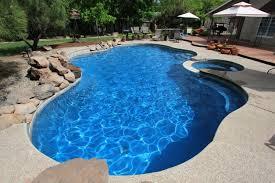
Pool coping is one of the most essential structural and visual elements of any swimming pool. It forms the protective cap around the pool edge, creating a finished transition between the pool shell and the surrounding deck. Over time, exposure to weather, chemicals, water, shifting soil, and heavy foot traffic can cause coping to crack, loosen, stain, or deteriorate. When damage occurs, pool coping repair becomes necessary to maintain both the appearance and integrity of the pool.
A damaged coping system can quickly lead to larger issues such as water infiltration, deck separation, tile displacement, and expensive structural repairs. Proper restoration helps preserve the pool's lifespan, improve safety, and increase property value.
What Is Pool Coping and Why Does It Matter
Pool coping is the material installed around the pool's upper edge. It acts as a protective border that prevents water from flowing behind the pool shell. In addition to its functional purpose, coping creates a clean decorative finish and improves the visual connection between the pool and the surrounding landscape.
Different coping materials are used depending on design preference and pool style. Common coping materials include:
-
Natural stone coping
-
Concrete coping
-
Brick coping
-
Travertine coping
-
Paver coping
-
Precast coping stones
Because coping remains exposed to sunlight, moisture, chlorine, temperature changes, and physical pressure, it naturally experiences wear over time. Without timely pool coping repair, even small cracks can expand into severe damage.
Common Signs That Pool Coping Repair Is Needed
Recognizing early warning signs helps prevent larger structural concerns. Pool owners should inspect the coping regularly for visible deterioration.
Cracks in Coping Stones or Concrete
Hairline cracks may seem minor at first, but they often expand as moisture penetrates the material. Freeze-thaw cycles and temperature shifts can widen cracks and weaken coping stability.
Loose or Shifting Coping Pieces
If coping stones begin to move or feel unstable under pressure, adhesive failure or substrate movement may be occurring. Loose coping creates safety hazards and can allow water to seep beneath the pool edge.
Water Leaks Around Pool Perimeter
Water escaping around coping areas can indicate separation between the coping and the bond beam. This issue may lead to long-term structural weakening.
Discoloration and Staining
Mineral buildup, algae growth, rust, or chemical exposure can stain coping surfaces. While cosmetic in some cases, discoloration may also indicate moisture infiltration.
Missing Grout or Joint Material
Expansion joints and grout lines protect coping from movement-related cracking. Missing filler materials increase the risk of water penetration and shifting.
Deck Separation Near Coping
When the pool deck begins separating from the coping, structural movement or settling may be responsible. This often requires immediate pool coping repair to prevent worsening damage.
Causes of Pool Coping Damage
Understanding why coping fails helps prevent future deterioration.
Constant Water Exposure
Pool coping remains in constant contact with splashing water, humidity, and chemicals. Over time, water penetration weakens grout lines and adhesives.
Temperature Fluctuations
Expansion and contraction caused by heat and cold places stress on coping materials. Repeated movement creates fractures and loosened sections.
Ground Movement
Soil settling beneath the pool deck can shift coping alignment. Uneven pressure may crack coping stones or separate joints.
Improper Installation
Incorrect bonding, poor mortar application, or lack of expansion joints may lead to premature coping failure.
Heavy Foot Traffic
Frequent use around the pool edge increases stress on coping materials. Impact and pressure contribute to wear and instability.
Chemical Damage
Chlorine, saltwater systems, and harsh cleaning chemicals may deteriorate coping finishes and weaken protective sealants.
Types of Pool Coping Repair Methods
The right repair approach depends on the severity of damage and the coping material used.
Crack Filling and Surface Restoration
Minor cracks in coping can often be repaired using specialized fillers, patch compounds, or epoxy products. Surface restoration helps prevent moisture penetration and preserves the material.
Repair technicians clean the damaged area, remove loose debris, apply filler, and smooth the finish to blend with the surrounding coping.
Regrouting and Joint Repair
Missing grout between coping stones allows water intrusion. Regrouting restores protection and stabilizes the coping system.
Joint repair may include:
-
Removing old grout material
-
Cleaning expansion joints
-
Installing flexible sealant
-
Replacing damaged filler material
Proper joint maintenance is essential for long-term pool coping repair success.
Resetting Loose Coping Stones
Loose coping pieces often require removal and reinstallation. Contractors remove unstable sections, clean old mortar, apply fresh adhesive, and reset the coping securely.
This process ensures the coping remains level and aligned with surrounding surfaces.
Replacing Broken Coping Sections
When coping becomes heavily cracked, chipped, or structurally compromised, replacement may be necessary.
Replacement includes:
-
Removing damaged coping pieces
-
Inspecting the bond beam beneath
-
Repairing underlying structural damage
-
Installing matching replacement coping
-
Regrouting and sealing the finished area
Bond Beam Repair
The bond beam is the concrete support beneath the coping. Damage to this structure may require restoration before coping can be repaired.
Bond beam repair strengthens the pool perimeter and prevents future coping failure.
Best Materials for Durable Pool Coping Repairs
Choosing durable materials improves repair longevity.
Travertine Coping
Travertine remains one of the most popular choices due to its elegant appearance and heat-resistant surface. It performs well in warm climates and resists slipping.
Natural Stone Coping
Granite, limestone, and sandstone provide a premium appearance and strong durability.
Concrete Coping
Concrete offers affordability and flexibility in design. It can be shaped, stamped, or textured to match surrounding decks.
Brick Coping
Brick coping provides classic appeal and reliable strength. It works especially well in traditional backyard designs.
Paver Coping
Pavers create a seamless transition between pool deck and coping while offering repair-friendly replacement options.
Affordable Pools: Professional Pool Renovation and Coping Repair Services
For homeowners seeking dependable pool renovation expertise, Affordable Pools provides professional services focused on restoring pool appearance, safety, and structural performance. Through their experience in pool remodeling, resurfacing, tile upgrades, and pool coping repair, they help property owners address aging pool damage efficiently. Their team works with a range of coping materials, including stone, concrete, and decorative finishes, ensuring that repairs blend seamlessly with existing designs. In addition to coping restoration, they offer complete renovation solutions that improve pool durability, aesthetics, and long-term performance.
How Pool Coping Repair Improves Pool Safety
Damaged coping is not just a cosmetic issue. It presents several safety risks.
Prevents Sharp Edges
Broken coping can create jagged surfaces that increase the risk of cuts and injuries.
Reduces Slipping Hazards
Loose coping materials create an unstable footing around the pool edge.
Strengthens Structural Stability
Repairing coping helps maintain the integrity of the pool perimeter and prevents deck movement.
Stops Water Damage
Unrepaired coping allows water infiltration, which can weaken surrounding surfaces and create unsafe conditions.
Pool Coping Repair vs Full Coping Replacement
Determining whether to repair or replace coping depends on damage severity.
Repair Is Best When:
-
Damage is isolated to small sections
-
Cracks are minor
-
Stones remain structurally sound
-
Budget-friendly restoration is preferred
-
The existing coping style is still desirable
Replacement Is Best When:
-
Widespread cracking exists
-
Coping pieces are severely deteriorated
-
Structural support is compromised
-
The pool design requires modernization
-
Matching materials are unavailable
Professional evaluation helps determine the most cost-effective option.
How to Maintain Pool Coping After Repair
Proper maintenance extends the coping lifespan and reduces future repair costs.
Regular Cleaning
Remove dirt, algae, debris, and mineral buildup to preserve surface condition.
Seal Coping Materials
Protective sealers reduce water absorption and chemical damage.
Monitor Expansion Joints
Inspect joints regularly to ensure sealants remain intact.
Repair Small Cracks Early
Addressing minor damage prevents larger structural concerns.
Maintain Water Chemistry
Balanced pool chemistry minimizes deterioration caused by chemical exposure.
Seasonal Effects on Pool Coping Condition
Environmental conditions impact coping performance throughout the year.
Summer Heat
Extreme temperatures expand materials and increase surface stress.
Winter Freeze Cycles
Water trapped in small cracks expands when frozen, worsening damage.
Heavy Rainfall
Excess moisture weakens grout and adhesive bonds.
UV Exposure
Long-term sunlight exposure causes fading, cracking, and material deterioration.
Routine inspections during seasonal changes help detect problems early.
Professional Pool Coping Repair vs DIY Repairs
While minor cosmetic fixes may seem manageable, professional repairs often produce longer-lasting results.
Benefits of Professional Pool Coping Repair
-
Accurate damage assessment
-
Proper material matching
-
Structural evaluation
-
Long-lasting adhesives and sealants
-
Improved aesthetics
-
Reduced future repair costs
DIY repairs may temporarily improve appearance but often fail to address hidden structural concerns.
Choosing the Right Contractor for Pool Coping Repair
Selecting an experienced contractor ensures quality workmanship.
Look for Specialized Experience
Pool coping repair requires expertise in both masonry and pool construction.
Review Previous Projects
Ask for examples of completed coping restoration work.
Verify Licensing and Insurance
Professional contractors should maintain proper licensing and insurance coverage.
Request Material Options
A qualified contractor should explain coping material choices and long-term benefits.
Read Customer Feedback
Client reviews help identify reputable service providers.
Why Timely Pool Coping Repair Matters
Ignoring coping damage often leads to escalating repair costs. Water intrusion, shifting structures, and deteriorating bond beams can become expensive if left untreated.
Investing in timely pool coping repair helps preserve structural stability, improve safety, and maintain visual appeal. Proper restoration prevents further deterioration while protecting the surrounding deck and pool shell.
A well-maintained coping system enhances the overall pool environment, creating a polished, secure, and long-lasting outdoor space. Whether repairing small cracks or replacing damaged sections, addressing coping issues early ensures a stronger and more attractive pool for years to come.

 Arabic
 French
 Spanish
 Portuguese
 Deutsch
 Turkish
 Dutch
Dutch
 Italiano
 Russian
 Romaian
 Portuguese (Brazil)
 Greek
Greek