
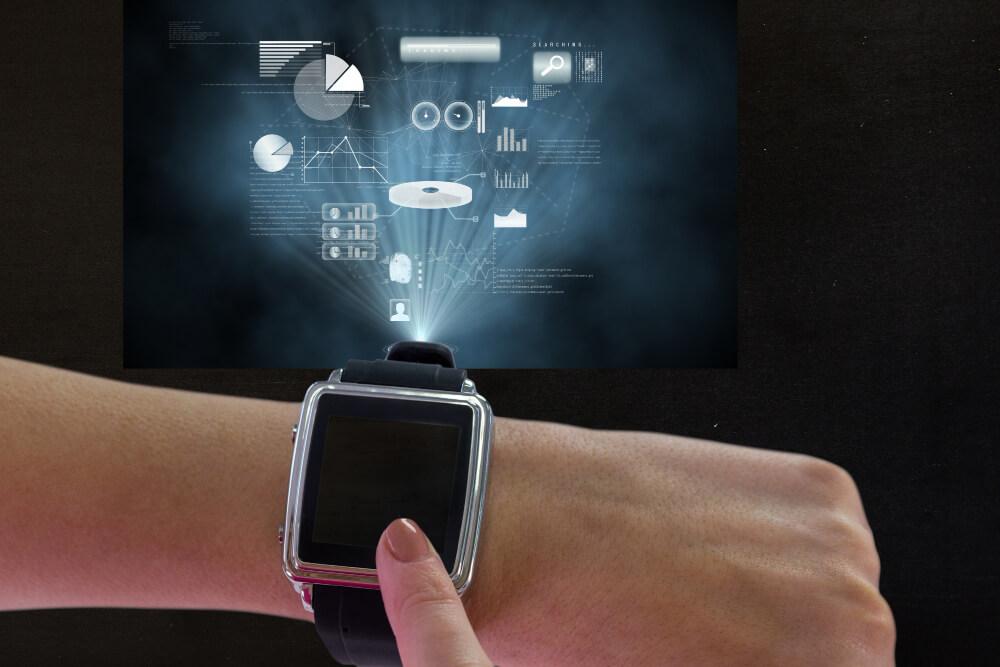
In the world of modern electronics, bigger is often seen as better—except when it comes to the screens sitting right in front of your eyes. The micro display is a marvel of engineering that delivers high-definition visuals on a panel smaller than a postage stamp. As demand for wearable technology and compact imaging increases, these tiny screens have become the cornerstone of innovation.
At ARVR Optical, we specialize in the components that bridge the gap between digital data and human vision. Whether you are an enthusiast exploring virtual worlds or a professional sourcing high-precision optics for industrial use, understanding the power of a micro display is the first step toward the future of visual tech.
What is a Micro Display?
A micro display is typically defined as a screen with a diagonal measurement of less than two inches—and often much smaller, frequently under one inch. Despite their size, these displays are packed with millions of pixels, offering resolutions that rival or exceed full-sized television screens.
Unlike your smartphone screen, which is designed to be viewed from a distance, a micro display is designed to be used with "near-eye" optics. This means the light from the display is magnified and focused by lenses—like those provided by ARVR Optical—to create a virtual image that appears massive to the wearer.
The Three Pillars of Micro Display Technology
Not all micro displays are built the same way. To choose the right one, you need to understand the three primary technologies currently leading the industry:
1. Micro OLED (Organic Light Emitting Diode)
Micro OLEDs are built directly onto silicon wafers (OLED-on-Silicon). Because each pixel generates its own light, they offer perfect "true" blacks and incredible contrast. They are the top choice for VR headsets and premium AR glasses where image quality is the highest priority.
2. LCoS (Liquid Crystal on Silicon)
LCoS is a "reflective" technology. A light source shines onto the display, and the crystals reflect that light back through the optics. These are known for having very high pixel density and are widely used in "see-through" AR headsets where brightness and clarity are essential for overlaying digital info onto the real world.
3. Micro LED
The newest contender in the field is Micro LED. It combines the self-emissive nature of OLED with even higher brightness and longer life. While still emerging in the mass market, ARVR Optical views this as the future for outdoor-use AR glasses that need to remain visible even in direct sunlight.
Why Micro Displays are Essential for AR and VR
The primary driver for the micro display market is the rapid growth of Augmented and Virtual Reality. To make a headset comfortable, it must be lightweight. Using a micro display allows manufacturers to shrink the overall size of the device while maintaining a high Field of View (FOV).
For a user, the high Pixels Per Inch (PPI) of a micro display eliminates the "screen-door effect"—that distracting grid pattern seen in older headsets. When you use a high-quality display from a provider like ARVR Optical, the digital world looks as solid and sharp as the real one.
Key Performance Metrics for Buyers
If you are looking to purchase or integrate a micro display, keep these technical specs in mind:
-
Brightness (Nits): Crucial for AR. If you are using glasses outside, you need thousands of nits to see the display clearly.
-
Contrast Ratio: This determines how "deep" the blacks look. High contrast is vital for immersive VR.
-
Frame Rate: A low frame rate causes motion sickness. Most modern micro displays operate at 90Hz or 120Hz for smooth movement.
-
Power Consumption: Since most of these devices are battery-powered, the display must be efficient to ensure hours of use.
Industrial and Professional Applications
Beyond gaming and entertainment, the micro display is a critical tool in several high-stakes industries:
-
Medical Imaging: Surgeons use micro displays in head-mounted monitors to view 3D vitals or internal camera feeds during minimally invasive procedures.
-
Defense and Sighting: Tactical optics and night-vision goggles rely on micro displays to provide clear, high-contrast thermal imaging to soldiers and pilots.
-
Remote Assistance: Industrial workers use AR glasses to see technical manuals and live video help while keeping their hands free to repair complex machinery.
The Challenges: Optics and Heat
Integrating a micro display isn't as simple as plugging it in. Because these screens are so bright and pixel-dense, they generate heat in a very small area. Furthermore, the "optical engine"—the series of lenses and prisms that guide the light to your eye—must be perfectly aligned.
This is where ARVR Optical adds the most value. We understand how to pair the right display with the right optical module to ensure maximum clarity without overheating or distorting the image.
The Future: What’s Next for Micro Displays?
Looking toward the next few years, we expect to see "Tandem OLED" structures that double the brightness and lifespans of current screens. We are also seeing the integration of eye-tracking sensors directly into the display housing, allowing the hardware to focus its processing power exactly where you are looking.
As the tech becomes more affordable, the micro display will move from specialized industrial tools to everyday consumer eyewear, eventually replacing the smartphone as our primary way to interact with the digital world.
Conclusion: Trust ARVR Optical for Your Display Needs
The world of the micro display is fast-moving and technically complex. Choosing the right technology—be it OLED, LCoS, or Micro LED—can be the difference between a revolutionary product and a disappointing one.
At ARVR Optical, we provide the expertise and the components necessary to lead in the optoelectronics space. By focusing on high-performance displays and precision-engineered optics, we help our partners create visual experiences that were once thought impossible. Whether you are a buyer or a developer, we are here to help you see the future clearly.

 English
 Arabic
 French
 Spanish
 Portuguese
 Deutsch
 Turkish
 Dutch
Dutch
 Italiano
 Russian
 Portuguese (Brazil)
 Greek
Greek